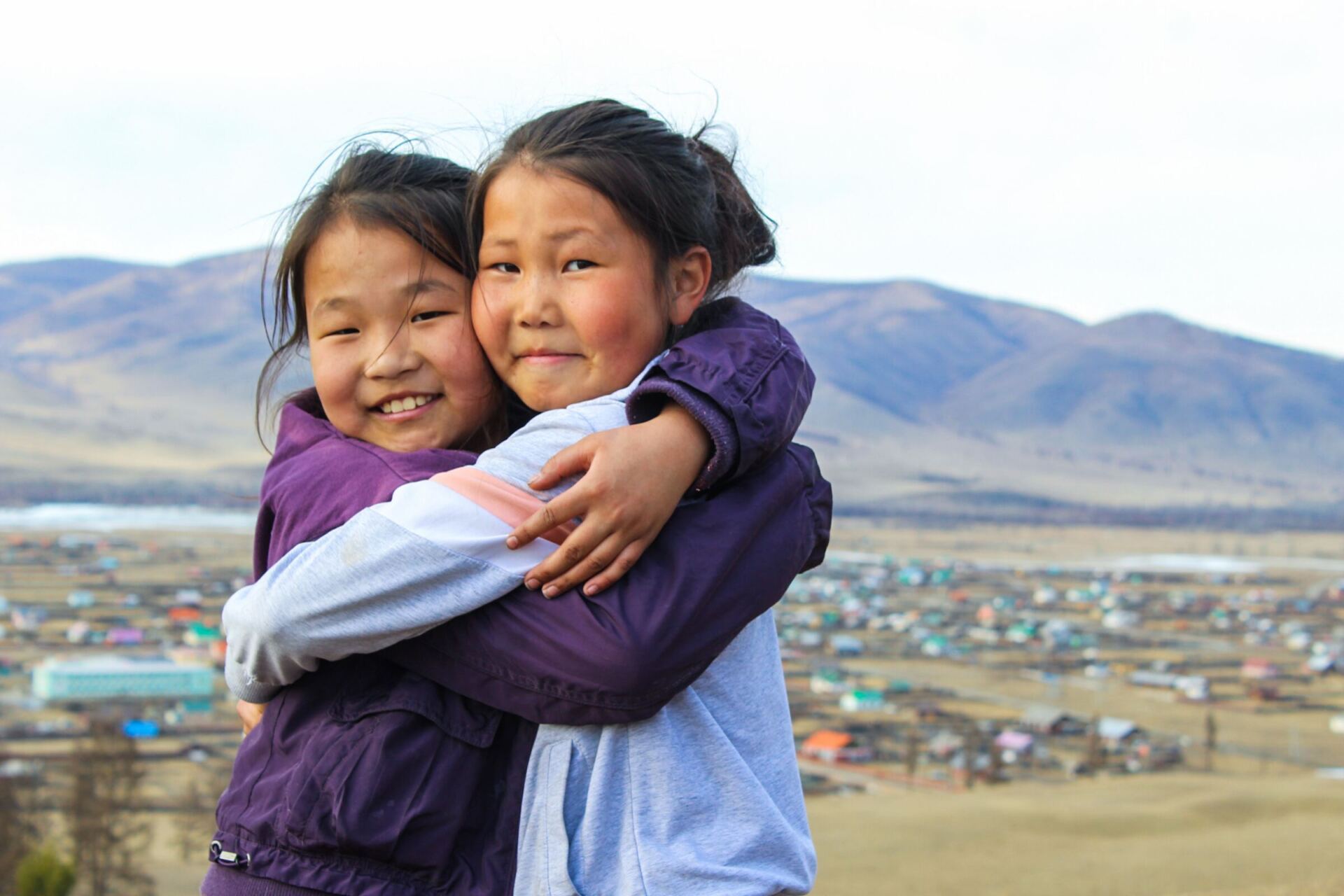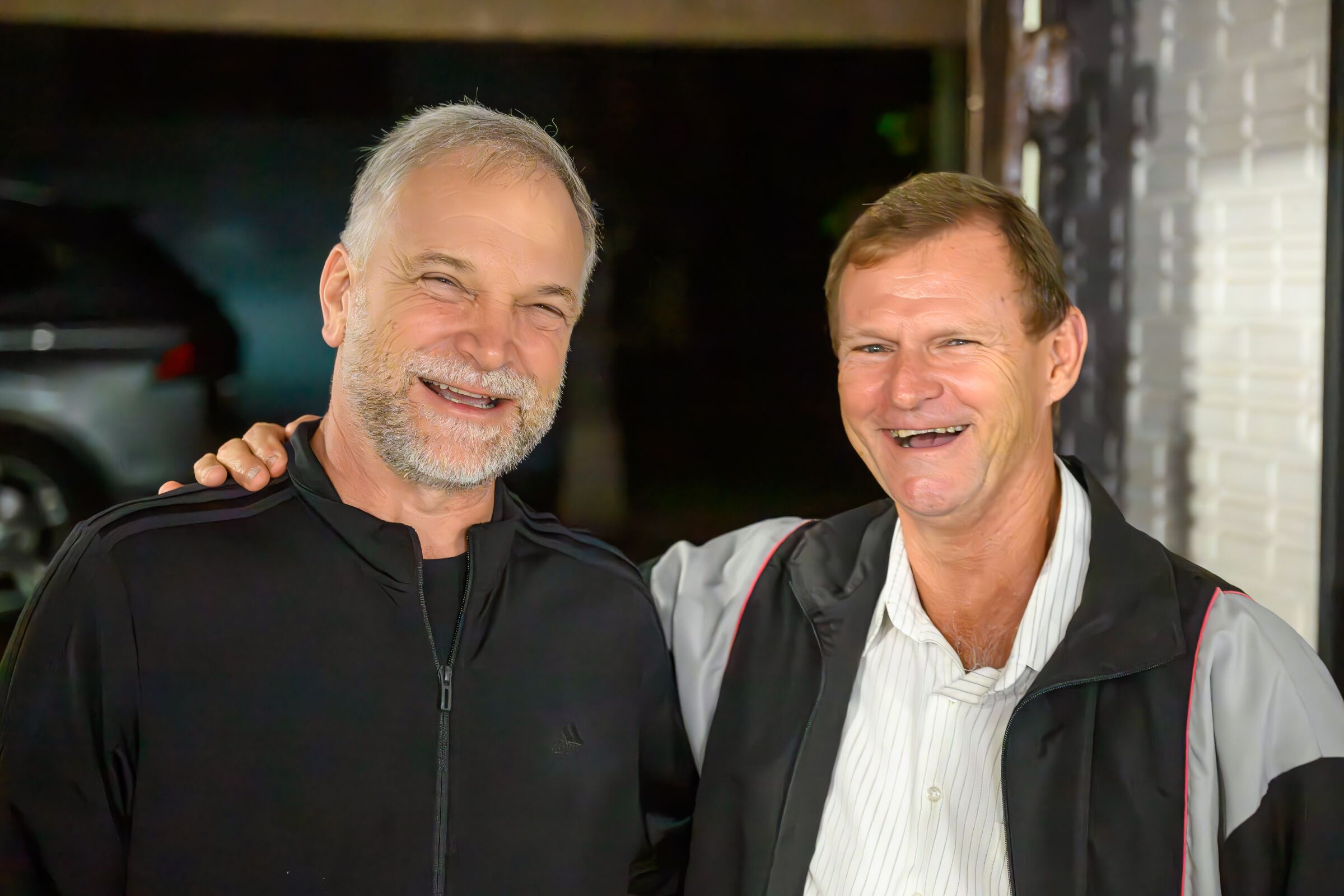



“If anyone says, ‘I love God,’ and hates his brother, he is a liar; for he who does not love his brother whom he has seen cannot love God whom he has not seen. And this commandment we have from him: whoever loves God must also love his brother.” (1 John 4:20-21 ESV)
The experiences of human life transcend what we perceive through our five senses. What we see, hear, or touch does not encompass the fullness of our humanity. God created human beings not just with a physical body but as the union of a physical body and a spiritual soul.
This truth is foundational to understanding the Christian life. Faith, after all, is “the assurance of things hoped for, the conviction of things not seen” (Hebrews 11:1). Being a Christian does not mean neglecting our physical nature, but it does mean that we do not consider it the most important aspect of our identity.
We were created to know and commune with the invisible, spiritual God. In John’s vision of the new heavens and new earth, the Lord declares, “Behold, the dwelling place of God is with man. He will dwell with them, and they will be his people, and God himself will be with them as their God” (Revelation 21:3). The consummation of our human existence is to dwell with God. This is why Christ came to redeem us: he atoned for our sin so that we could be justified and cleansed to enter the holy presence of God.
The heart of the gospel is that Christ has reconciled us to God through his sacrifice. Christ offers the remedy for man’s greatest problem: the sin that separates him from God. As sinners, our natural state places us under the wrath of God (Ephesians 2:3), but, for those who believe, “in love, [God] predestined us for adoption as sons (1:4-5). “God, being rich in mercy, because of the great love with which he loved us, even when we were dead in our trespasses, made us alive together with Christ” (2:4). God’s love for his elect provides a means for us to be made alive, united to Christ, and transformed from children of wrath to children of the Father who receive his eternal love.
This reality is enough to drive us to our knees in thankfulness to God for his indescribable grace to us. But that is not to be our only response. We are also to respond with love for God—not because we are trying to repay him for his love for us but because we are truly his children and he is truly our Father by adoption, and our love should be like that of a child for his father. As John said in the previous passage, “We love because he first loved us” (1 John 4:19). His love for us from before the foundation of the world is the fountainhead out of which our love flows.
But it doesn’t even stop there. John has instructed his readers throughout the letter, and again in this passage, to love one another. Our brothers and sisters in Christ are fellow human beings who live and breathe right in front of us. If we refuse to love those who are united to Christ as we are, what does that say about us?
John makes it exceedingly clear: “he who does not love his brother whom he has seen cannot love God whom he has not seen.” That is to say, if you do not love your fellow believers, it demonstrates clear evidence that you do not love God. The love of the invisible God will produce in us love for our visible spiritual family. There is no other option. John describes this as a commandment from God: “whoever loves God must also love his brother.” This results in a beautiful convergence of the visible and the invisible, the physical and the spiritual, the transcendent and the immanent. Love for God and love for brother are inseparable. If we claim to possess the former, let us also practice the latter.
Prayer:
Heavenly Father,
Thank you for loving us in Christ. We often overlook the true significance of such love, yet it is the heart of all that we are and all that we do. Help us to be good stewards of that gift and to love our brothers and sisters as we ought.
In Jesus’ name, amen.
Prayer Requests:
- Tuesday: Pray for the gospel to advance in the midst of ongoing conflict in Iran and the Middle East.
- Wednesday: Pray for missionaries in Togo serving through a well-drilling ministry.
- Thursday: Pray for missionaries working with Reaching Africa’s Unreached in Uganda.
- Friday: Pray for the staff and students at a Christian International School in North Africa.
- Saturday: Pray for the ministry of the Worthy of Life Prenatal and Family Counseling Center in Peru.
- Sunday: Pray for missionaries serving through camp ministry.
- Monday: Pray for missionaries serving in Mexico.
Featured Opportunity to Serve:
ESL Teachers
Location: Thailand
Do you have a gift for the English language, feel compelled to share the good news of Jesus Christ, and enjoy developing authentic relationships? If so, our ABWE team in northeast Thailand has a place for you. We desperately need new missionaries to teach English as a Second Language (ESL) and make gospel-centered friendships as part of our church planting initiatives.