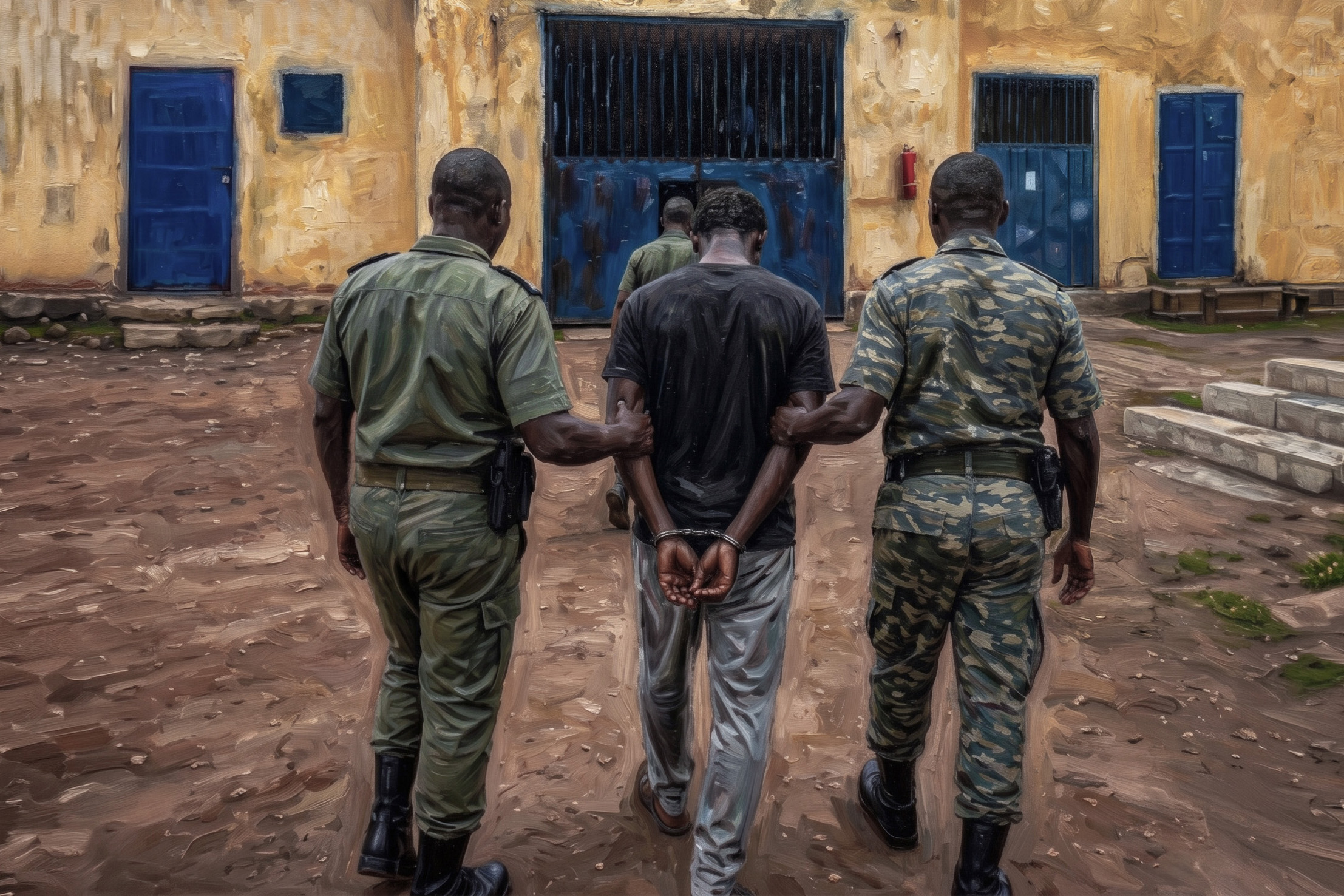



Ahmadou stumbled as strong arms on his back shoved him forward.
Hands bound behind him, he struggled to catch his balance. Guards, rifles slung over their shoulders, flanked him as the small procession marched across hard-packed red earth toward the looming iron gate of the Mango Civil Prison.
The darkness within its walls enveloped him. He blinked. A cell door creaked open, and guards pushed him inside. The small, stifling room was crowded with men—criminals—sitting shoulder to shoulder, staring back at him.
Not for the first time, Ahmadou regretted the decision that led to his incarceration.
A Disastrous Mistake
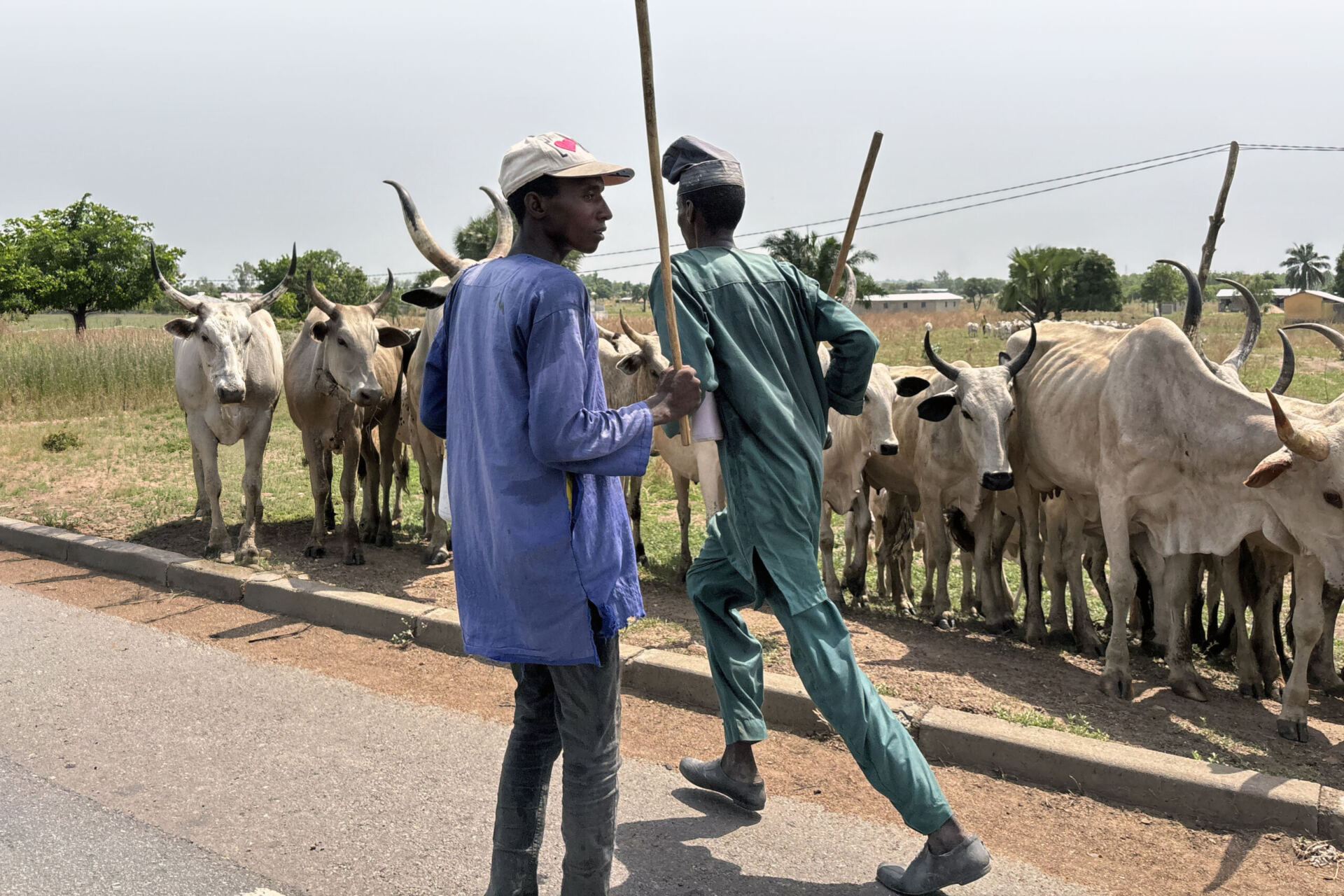
Ahmadou’s life was guided by Islam and the grazing paths of his herds. Born into a Fulani clan—the world’s largest nomadic population, comprising 38 million people across West Africa and the Sahel—he grew up moving often to find pastureland for his family’s cattle in the arid savanna of northern Togo. His father, following Fulani custom, married four wives and had many children. Ahmadou’s own marriage was arranged when he was only 17.
During a visit to town in 2023, he and a friend went out drinking. Stumbling home in the moonlight, they mistakenly entered what they thought was their own compound of huts. The angry residents captured the intruders. Authorities arrested Ahmadou, accused him of theft, and eventually sentenced him to two years in the Mango prison.
“The worst moment of his life became the beginning of something completely new,” commented ABWE missionary Ethan Molsee.
“The worst moment of his life became the beginning of something completely new.”
Ethan Molsee, ABWE missionary
With little other entertainment available in prison, Ahmadou began attending a Friday morning Bible study led by missionaries and chaplains from ABWE’s Hospital of Hope (HOH). Like most Fulani, he had never encountered the gospel.
Historically one of the first indigenous groups in Africa to convert to Islam, even joining the Muslim conquest during the Middle Ages, the Fulani became known for radicalism and hostility toward Christianity. Today, nearly 100 percent of Fulani follow Islam—which, combined with their nomadic lifestyle, has left them one of Africa’s most challenging unreached people groups to engage with biblical truth.
“Our team in northern Togo has found remarkable opportunities to interact with Fulani and other unreached people groups by entering hard, even risky, places and offering creative, compassionate care,” explained ABWE President Paul Davis.
Ahmadou quickly stood out among the prisoners in the Bible study.
“He formed a friendship with one of our Fulani chaplains,” Ethan recalled. “Week after week, he listened carefully, asked questions, and reflected on what he heard.”
Yet he remained firmly devoted to Islam, bowing in prayer five times a day even in his crowded cell.
During his incarceration, Ahmadou became ill and went to HOH for treatment. The prison had been without water for several days, a common problem in their remote city, and he arrived at the clinic extremely thirsty. To his surprise, a nurse brought him a glass of water.
“What I remember most is the kindness I received from the staff,” he later said.
After more than six months in prison, Ahmadou’s sentence was commuted. He returned to his family and herds—until 10 months later, when a serious motorcycle accident left him bleeding at the side of the road. He returned to HOH for emergency care.
This time, he stayed nearly a month. His wounds required daily dressing changes, and he moved into the housing facility reserved for long-term patients who no longer need intensive inpatient care. HOH chaplains daily visited Ahmadou, offering counsel and teaching Scripture as he and the other patients rested, cooked, washed laundry, and waited to heal. Once again, Ahmadou plied them with questions. Slowly, his curiosity transformed into conviction.
Jesus must be more than just Allah’s messenger, he realized. Islam must be wrong. Quietly, Ahmadou placed his faith in Christ.
Ahmadou recovered sufficiently to return home. His family elders quickly noticed that he had rejected Islam and voiced their opposition. His neighbors asked disapproving questions. Yet Ahmadou could not be dissuaded.
“The change in him was obvious,” said Ethan. “Every Sunday, he walked more than an hour each way to pray and worship with the chaplains who first taught him the Word, despite the resistance from his family.”
Ahmadou added, “My soul needed that.”
An Open Door in Prison
A vision for the isolated, unreached people groups of Togo’s farthest frontiers first drew ABWE missionaries to Mango. Strategically located along the nation’s only paved north-south roadway, connecting not only the largest population centers but also neighboring West African states, the city of Mango seemed ideally positioned for building inroads for the gospel.
While scarce resources and limited infrastructure created challenges, the missionaries discovered that their greatest obstacles were spiritual. They not only needed natural access points to introduce the gospel to scattered, remote villages, but individuals from the region’s unreached tribes—staunchly Muslim or animist—often needed to hear the gospel repeatedly over time to understand and accept God’s message of salvation.
ABWE’s Hospital of Hope provided a focal point for their mission. An unexpected opportunity at Mango Civil Prison swung open the door of opportunity even wider.
“The prison ministry stands as one of the clearest examples of our commitment to address both the physical and spiritual needs of those we have been entrusted with,” explained Ethan. “Over the past decade, this work has combined evangelism, discipleship, compassionate medical care, and practical humanitarian support in a way that has brought meaningful change to prisoners, prison staff, and the prison itself.”
In 2015, while construction on Hospital of Hope was nearing completion, ABWE teammates noticed the proximity of the regional penitentiary to the hospital campus.
“At that time, we didn’t have many contacts, and few in this town were open to listening to us,” said missionary Jennifer DeKryger. “We were simply looking for ways to open God’s Word with people, so the women on our team began visiting the prison.”
The ABWE teammates found the small population of female inmates surprisingly receptive. They began meeting weekly for Bible study and discipleship, and several placed their faith in Christ. That same year, Anna (Chubb) Clingon, then serving in Togo, arranged for a US-based prison ministry team to lead an evangelistic campaign alongside HOH chaplains. In early 2016, the prison administrator granted approval for ABWE to launch a Friday morning Bible study for the men.
The prison population is overwhelmingly male. Each year, 125–250 inmates serve sentences in Mango for offenses including theft, violent crime, land disputes, unpaid debts, and conflicts over pastures or cropland.
The men’s Bible study met in the prison courtyard in the shade of mango trees. Boisterous inmates around them lounged or completed chores in the common area, ignoring the group or casting furtive, interested glances. The team eventually moved the gathering to an interior room for more focused Bible study and prayer. At present, around 25–30 men gather each week in the crowded, dimly lit space for teaching, discussion, prayer, and encouragement.
“Several have become believers, some come out of curiosity, and many others are seeking comfort or truth in a very hard place,” Ethan noted.
Convicted of Truth
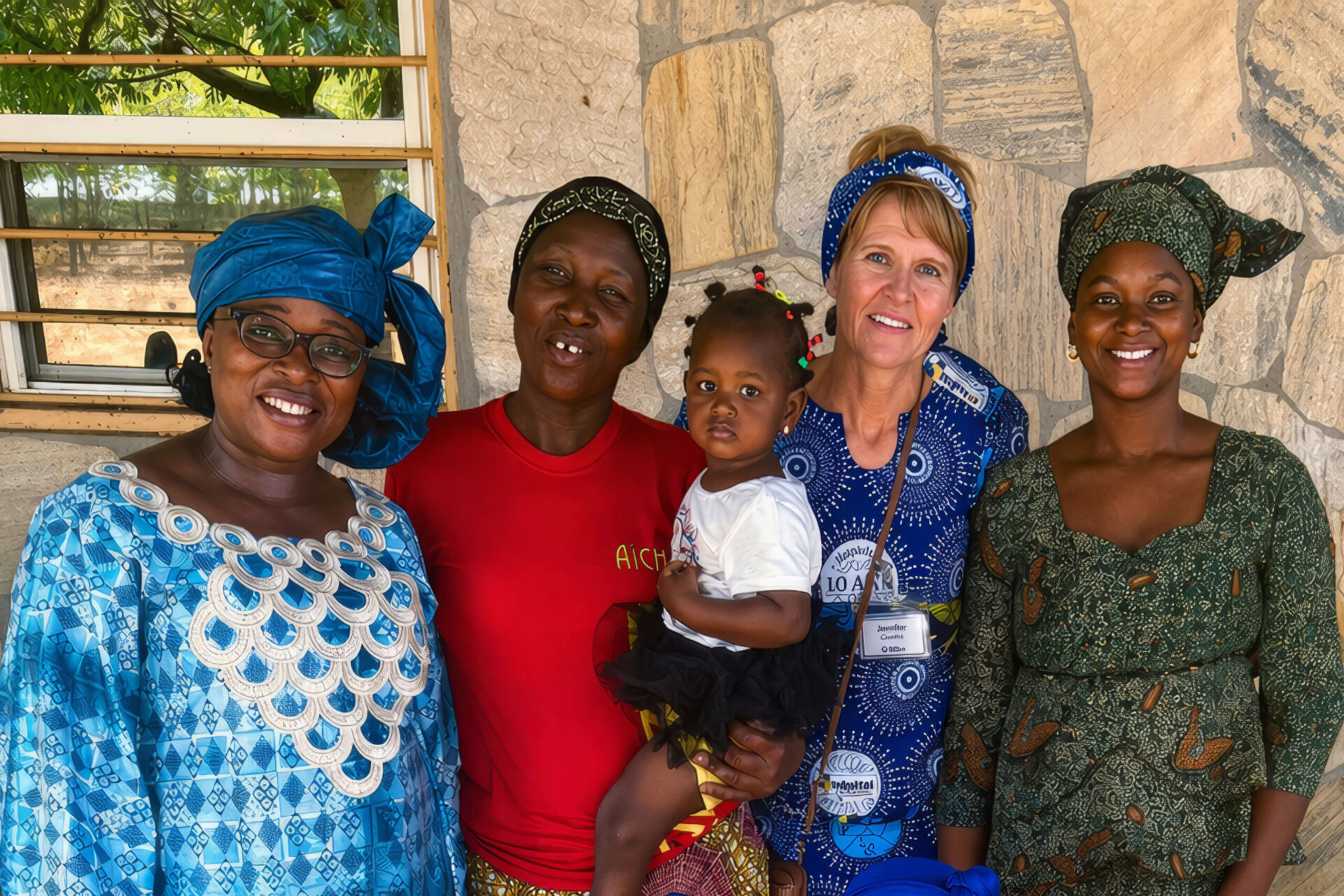
Since its inception, more than 10 ABWE missionaries have collaborated with the Togolese chaplains at HOH to lead the prison ministry—among them, Leila, who came to faith while herself incarcerated during the early days of the ministry.
Raised in a devout Muslim family in Mango—members of the unreached Tchokossi people group—Leila had applied her intelligence and diligence to secure a respected job. The siren song of success soon tempted her, and she embezzled funds from her employer. She was arrested and sentenced to 18 months in the Mango prison.
As one of only three or four female inmates, she agreed to attend the newly launched ladies’ Bible study.
“From the beginning, she was drawn to the Word of God,” recalled Jennifer, “but she initially wanted to question and challenge it.”
Each week, she listened as the missionaries taught The Story of Hope, and, each week, she argued with them over the text. Eventually, she accepted a Bible—then read it cover to cover. When she came to John 1:1, “In the beginning was the Word,” she pointed out the connection to Genesis 1. Gradually, the Lord opened her heart and mind. Convicted of her sin, she placed her trust in Christ for salvation and fully invested in discipleship with ABWE missionaries.
After her release, Leila’s family was appalled to learn of her conversion. “You’re dead to us if you’re going to follow this religion,” they told her.
“Well, this is the truth,” Leila responded. The persecution became so intense that she left for Lomé, Togo’s capital, where she continued to grow in her faith. After the hospital opened, the missionaries invited her to return and serve on the chaplaincy team.
“Over the past 11 years, God has used her in powerful ways in the hospital ministry,” Jennifer shared. “She faces daily pressure and opposition from her family and others in Mango, who insult her and urge her to return to Islam. And yet, she continues to faithfully proclaim the truth of who Jesus is.”
Beyond Bible Study
The outreach at Mango Civil Prison expanded rapidly, shaped by the realities of the Togolese prison system. The ABWE team learned that prisoners often depend on their families to provide food, financial assistance, and medical care. Yet not all prisoners have this support; many have been transferred from overcrowded facilities in other regions. The missionaries observed the devastating consequences: many inmates suffered from untreated medical conditions, and deaths were distressingly common.
“These circumstances made it clear that if our team was to love prisoners in Christ’s name, we could not stop at Bible teaching alone,” said Ethan.
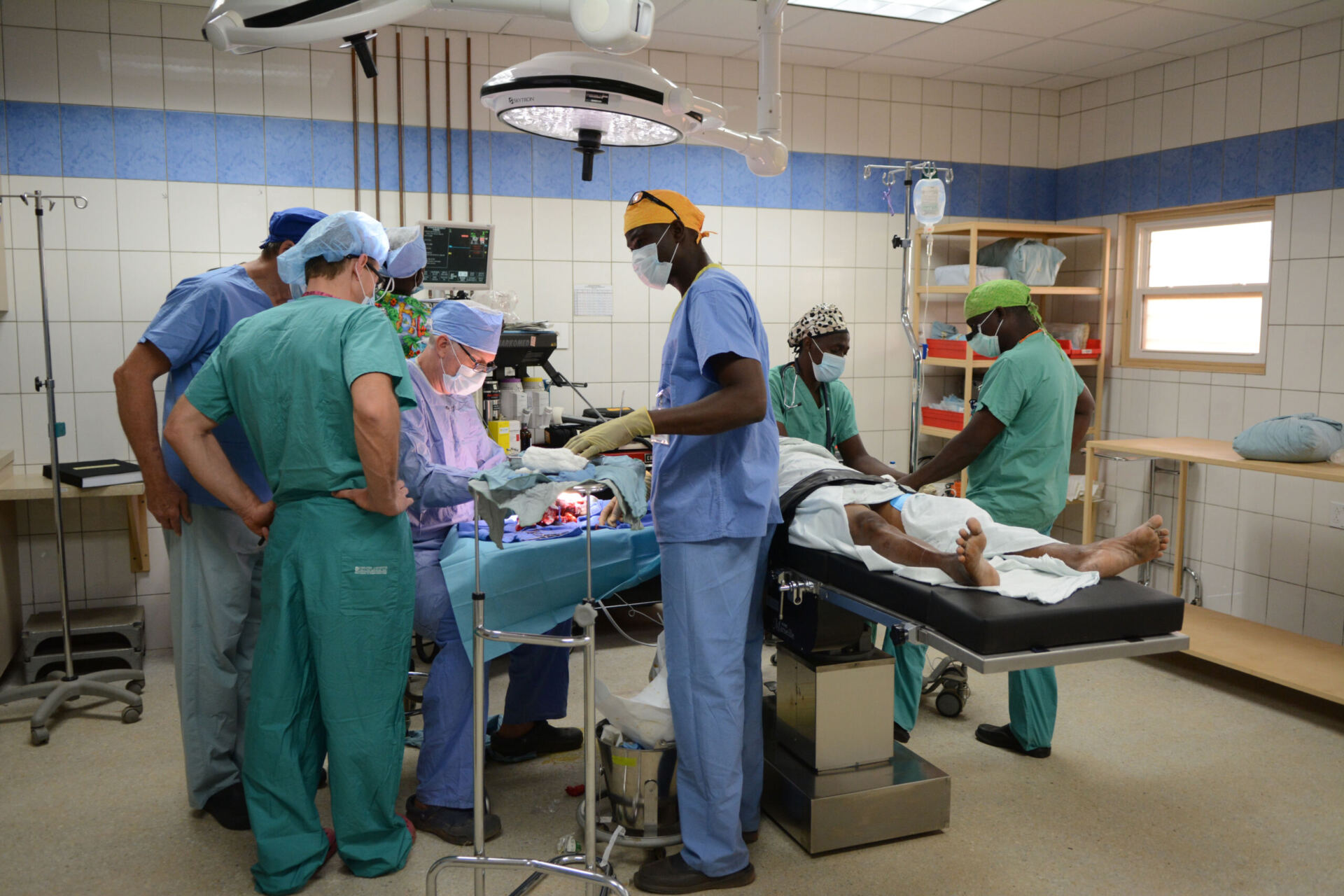
In response to this urgent need, HOH staff met with the prison administrator and made a significant commitment: the hospital would provide free medical care for prisoners unable to pay, especially when their ailments could be addressed before becoming emergencies.
“At least every other day I care for prisoners who are brought to the HOH clinic,” commented ABWE physician assistant Alain Niles. He recently treated dozens of inmates transferred from another prison, all of whom suffered from malaria, typhoid, scurvy, scabies, or other tropical illnesses.
“While many prisons in the region experience multiple deaths each week, deaths in the Mango prison have become rare since this medical care began,” Ethan observed.
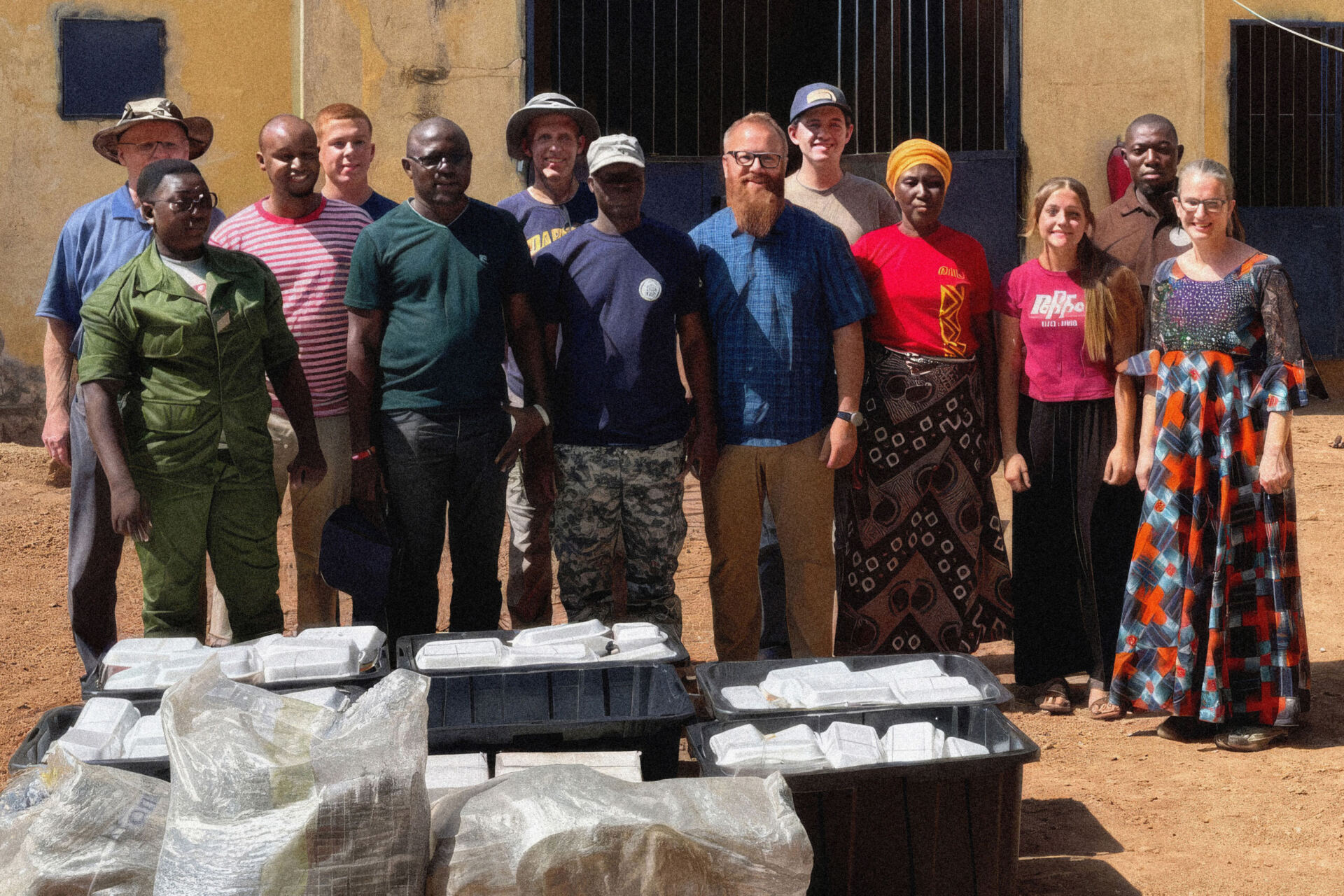
Their practical demonstration of Christ’s love goes beyond medical care. ABWE missionaries have drilled two wells at the prison to address a critical water need, and, every Christmas, they distribute shoes, soap, sandals, and rice to every prisoner, along with a holiday meal.
This holistic approach has borne fruit across the prison campus.
“One of the most encouraging aspects of this ministry has been the visible effect it has had on relationships and attitudes within the prison,” Ethan remarked. “The chaplains have observed that even the guards seem to treat the prisoners with greater kindness.”
Alain added, “We have built a great relationship with the prison guards. . . . Recently, one guard shared that if it wasn’t for the care we provide, many of the inmates would not be alive. He said we are their only hope, and he was so impressed by our love.”
“If it wasn’t for the care [ABWE missionaries] provide, many of the inmates would not be alive.”
Alain Niles, recounting the testimony of a prison guard
Outside the Walls
The prison’s daily schedule presented another rare opportunity: from 5 p.m. to 6 a.m., inmates are confined in cells often so crowded that they must take turns lying down. HOH chaplains, in partnership with ABWE’s Hope Radio, handed out 30 audio players fixed to the Hope Radio broadcast frequency and pre-loaded with audio Bibles in the region’s most common languages. Even prisoners unwilling to attend the Bible studies now pass the long nights listening to biblical truth in their own languages.
“The care shown through the integrated, multifaceted ministries in northern Togo provides a strong platform for our missionaries to be heard and respected in the region,” said Paul Davis.
In places otherwise rife with suffering, neglect, and hopelessness, individuals from all of the region’s major unreached people groups have become willing to hear the gospel—and accept it. As a result, released prisoners have invited HOH staff to their villages to share the hope of Christ and start Bible studies.
“Through one woman we met in the prison, a new church plant was started in the village of Koumougou,” Alain conveyed. “The group has continued to grow, and the leadership is preparing to baptize several new believers.”
News of their positive impact in Togo reached government officials: in 2025, the minister of justice issued an official recognition letter to HOH acknowledging their contribution to this marginalized population.
A Growing Harvest
“I thank God that I went to prison,” Ahmadou recently commented. He believes that God used his sentence not only to save his soul but to protect him from the fate of other young Fulani men who fell into trouble during that time and disappeared.
Since then, his wife has also trusted Christ, and they moved with their five children to the ABWE-established Fulani center to grow stronger in their faith.
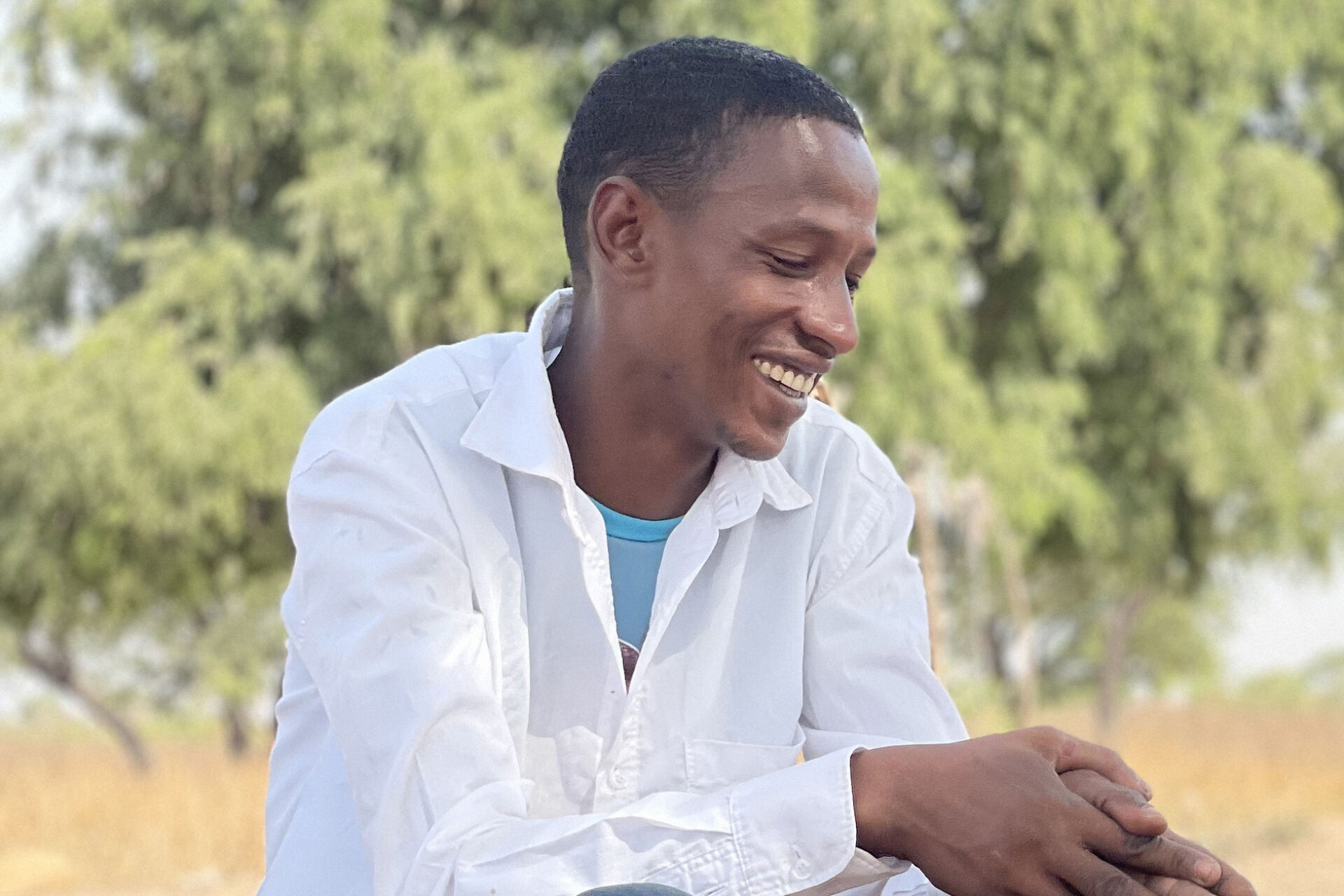
While helping with the harvest in his village, Ahmadou listened to the audio Bible he had received at HOH while processing corn. At first, his relatives berated him. Later, several approached him privately, intrigued by what they had heard and wondering how they, also, could get an audio Bible.
“At first, we thought God had simply given us Ahmadou,” an HOH chaplain remarked. “Now we see that, through Ahmadou, God has opened the hearts of his entire family.”
Through the bold witness of ABWE missionaries and Togolese believers, the gospel is penetrating the darkest strongholds and opening prison doors.

Editor’s Note: Ahmadou’s and Leila’s names have been changed for security.