


Some of us feel anything but Christmas cheer as we enter this holiday season.
Even with the joys and triumphs of ministry, missionaries are no strangers to facing seasons like Advent with heavy hearts, groanings, or even near-broken spirits. The sorrows of this broken world can weigh upon us. Sometimes, we find it hard to apply the same gospel we preach to others to the places within ourselves that ache the most.
As we enter another season of Advent, we are reminded that we, as believers, are positioned in a time in which we simultaneously experience sorrow and anticipatory hope. We celebrate Christ’s first coming, but we long to be fully healed from the pain and suffering of this world. We mourn. We lament. We wait for the glorious second Advent, Christ’s second coming, with what the apostle Paul describes as a collective groaning and longing (Romans 8:22). His words in Romans 8 beautifully capture this tension between suffering and hope:
For I consider that the sufferings of this present time are not worth comparing with the glory that is to be revealed to us. For the creation waits with eager longing for the revealing of the sons of God. For the creation was subjected to futility, not willingly, but because of him who subjected it, in hope that the creation itself will be set free from its bondage to corruption and obtain the freedom of the glory of the children of God. For we know that the whole creation has been groaning together in the pains of childbirth until now. And not only the creation, but we ourselves, who have the firstfruits of the Spirit, groan inwardly as we wait eagerly for adoption as sons, the redemption of our bodies. For in this hope we were saved. Now hope that is seen is not hope. For who hopes for what he sees? But if we hope for what we do not see, we wait for it with patience. Likewise, the Spirit helps us in our weakness. For we do not know what to pray for as we ought, but the Spirit himself intercedes for us with groanings too deep for words. (Romans 8:18–26)
The Greek verb στενάζω (stenazō) and the noun στεναγμός (stenagmos) both refer to “a sigh or a groan” or “an expression of deep, inward pain.” Paul uses these words, in various forms, repeatedly in this short passage: creation groans under the weight of brokenness (v. 22), believers groan under the weight of waiting (v. 23), and the Spirit himself intercedes for us with groaning (v. 26). This shared language of groaning unites all of creation, humanity, and the Holy Spirit in a single, sacred expression of longing. It is the sound of lament, the soul’s ache in the present met by the assurance of what is to come. As during childbirth, this ache is not empty but expectant; every groan carries the promise of new life. Paul is giving voice to what lament, childbirth, and Advent all hold in common: the pain of today met by the assurance of what is coming.
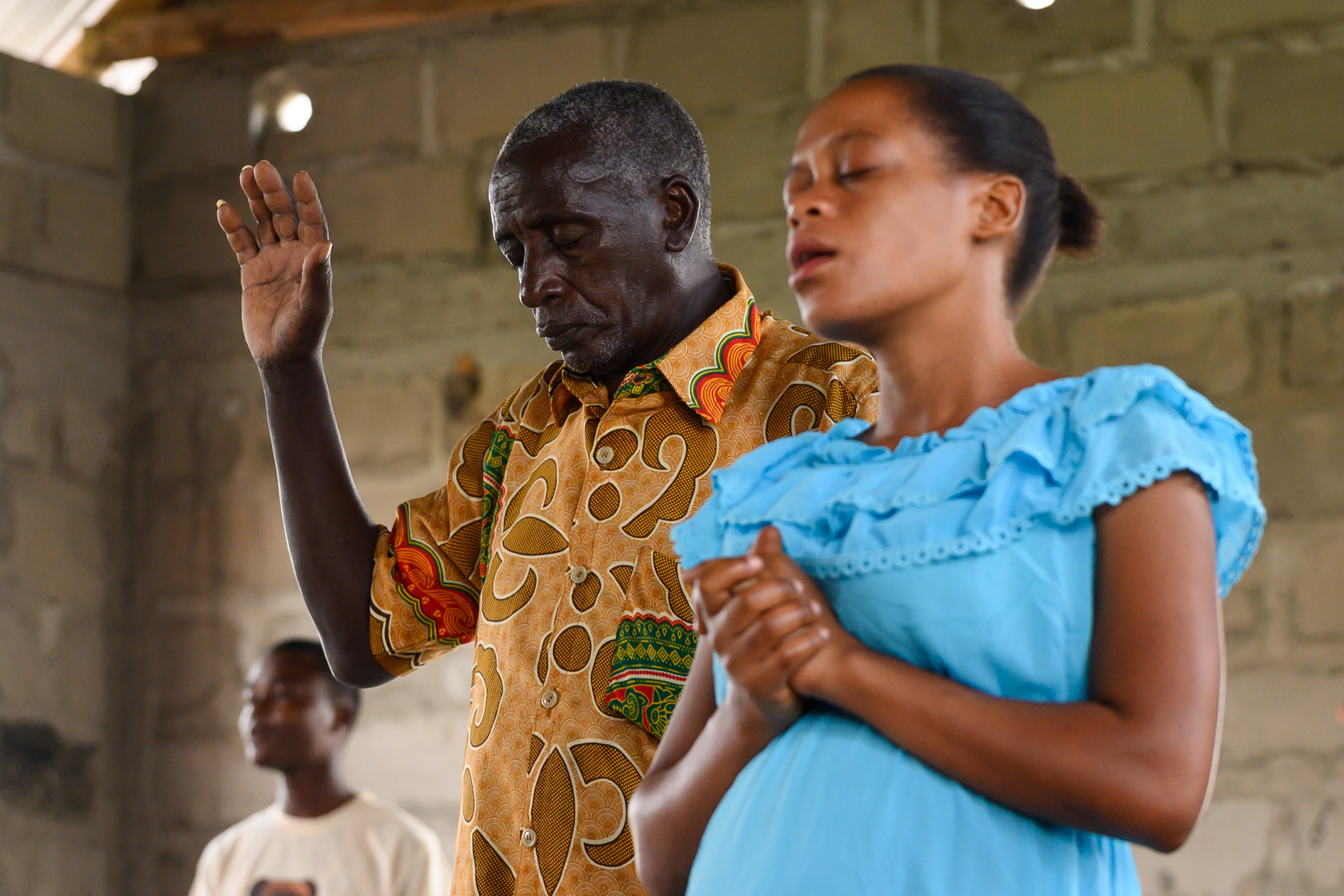
Lament and groaning may seem like undesirable companions during Advent. But because we are living and participating in a broken world, lament is a very natural and obvious response as we await the coming kingdom of God. Lament acknowledges the darkness of what some of us face this Christmas season and then turns our faces upward toward the light, the future promise of our returning King.
Some of us may read these words with groanings so deep that it’s hard to imagine lasting another day. We carry the weight of broken relationships, distant family, or desperate longings for connection, community, and the familiar embrace of a loved one. Some serving in gospel ministry may be so deeply discouraged that they feel they cannot bear to write another newsletter that masks their true feelings of shame and failure. The end of the year may mark another reminder of goals not reached, expectations not met, church seats unfilled, relationships not repaired, people still far from Christ, and prayers still waiting to be answered.
Some of our heaviest groanings may echo Paul’s in facing the reality of our own sinful flesh, as we are tempted to serve the law of sin rather than the law of God. Other groanings come from collectively experiencing the suffering of the world around us: wars, famines, oppression from corrupt governments, injustice, confusion, and division. Sometimes, we may find it hard to think about serving others through ministry or missions because our hearts and minds are so heavy with our own personal grief and pain. We groan. We yearn. We lament.
Yet the heart that every believer carries into Advent reminds us that every groan and lament will ultimately resolve in hope. This hope rests in the Savior whose birth we celebrate. Christ humbly came to earth, lived righteously on our behalf, passed through death into resurrection life, and remains present with his people in this “already–not yet” age. One day, he will return in glory for his final Advent. At that time, our current suffering, as Paul tells us, will pale in comparison “with the glory that is to be revealed to us” (v. 18) in his coming kingdom. Every tear will be wiped away, and all things will be made new (Revelation 21:1–5).
Until that day, we rest in knowing that Christ is near. He is present in our groaning, faithful in our weakness, and gentle in renewing our strength as we wait.
Editor’s Note: This is the third article in our 2025 Advent devotional series, “Hope of the Nations.” Join us each week as we explore Christ’s birth through the lens of frontline global ministry.