


Life no longer seemed worth living.
Although still in his teens, Francisco “Pancho” Acho had tried everything: alcohol, sex, money. Nothing satisfied. He stared at the rifle in his hands, raised it to his head, and then pulled the trigger.
Hovering between life and death, he was rushed down the Amazon River to the Iquitos city hospital. The gun had misfired, but the bullet shattered his lower jaw and severed part of his tongue. With limited healthcare in 1962, a doctor gravely informed Pancho’s parents that he would not leave the hospital alive.
In the ICU, a pastor from a church planted by ABWE missionaries visited his bedside and compassionately shared the gospel. Moved but unable to speak, Pancho wrote out a prayer begging Christ to save his soul.
“I found the peace I was looking for, and I understood the reason I was still alive in this world,” he later said.
“I found the peace I was looking for, and I understood the reason I was still alive in this world.”
Pancho Acho
Pancho began to recover. He was transferred to a hospital in Lima, where he underwent seven plastic surgeries over the next year. He told God that if he were ever released from the hospital, he would serve him as a pastor. Eventually, he moved to his roommate’s home in Lima for convalescence and found himself only two blocks from an ABWE church plant. Fulfilling his promise, he joined the church—launching his career into ministry. He attended a Bible institute and received discipleship and training from his pastor, veteran missionary Bob Trout. Bob soon transitioned the church to Pancho’s leadership.
Overcoming his speech difficulties, Pancho established another church in Lima before leading a national pastors’ fellowship and serving on the cabinet of the president of Peru.
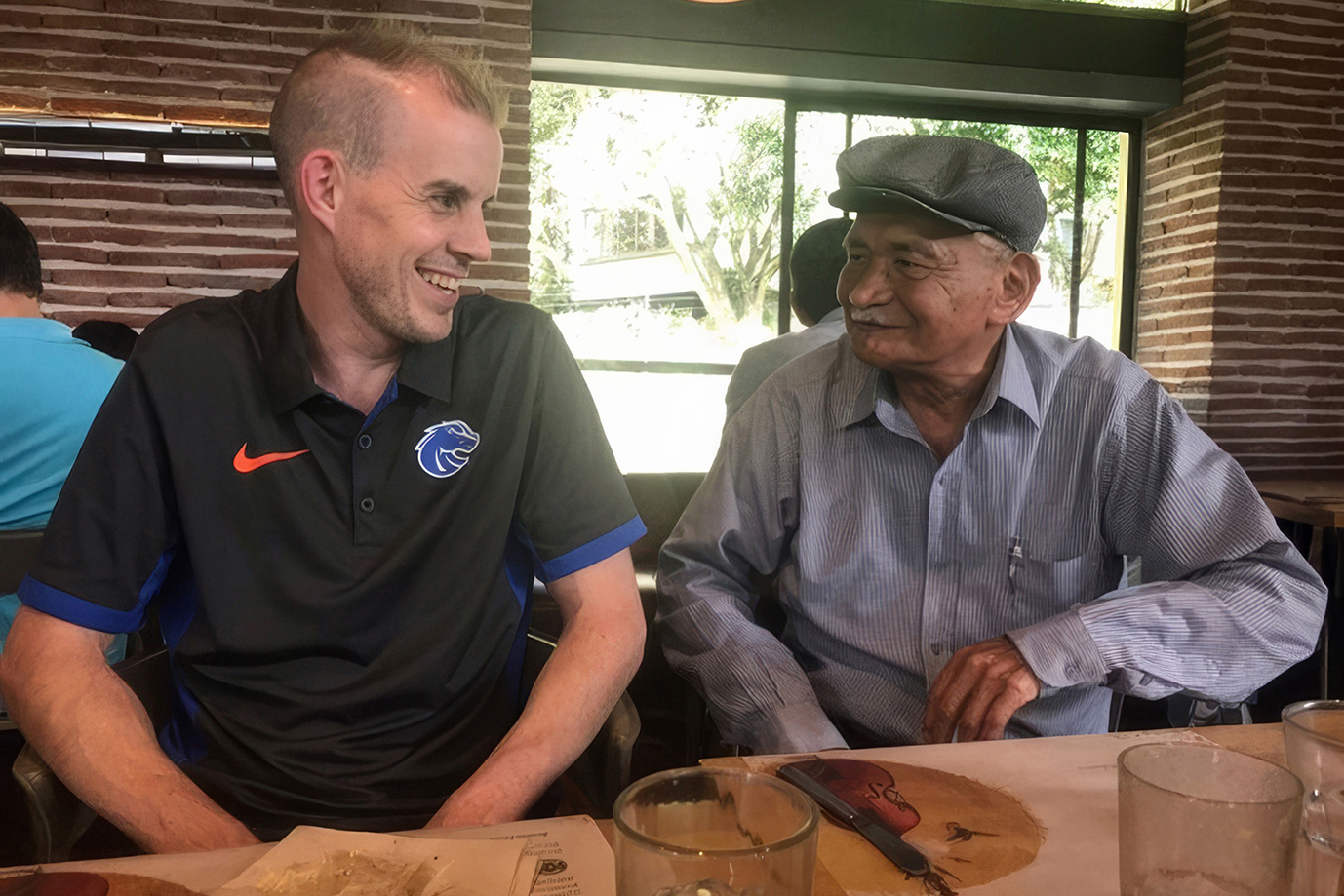
“The story doesn’t stop there,” recalled Bob. “We had moved on to Bogota, and when Pancho visited, he said, ‘I think God wants us to come to Bogota to plant churches.’”
Pancho and his wife, Rosalina, sold their house to fund their move to Colombia. They served with Bob and his wife, Lynne, leading church plants and training nationals at an ABWE-established seminary before Pancho later returned to ministry in Peru. Their five children follow in his footsteps serving the South American church.
“God has used them in abundant ways,” Bob remarked. “It was a real testimony to us of how God works saving people and using them in his service.”
An Epicenter for Missions
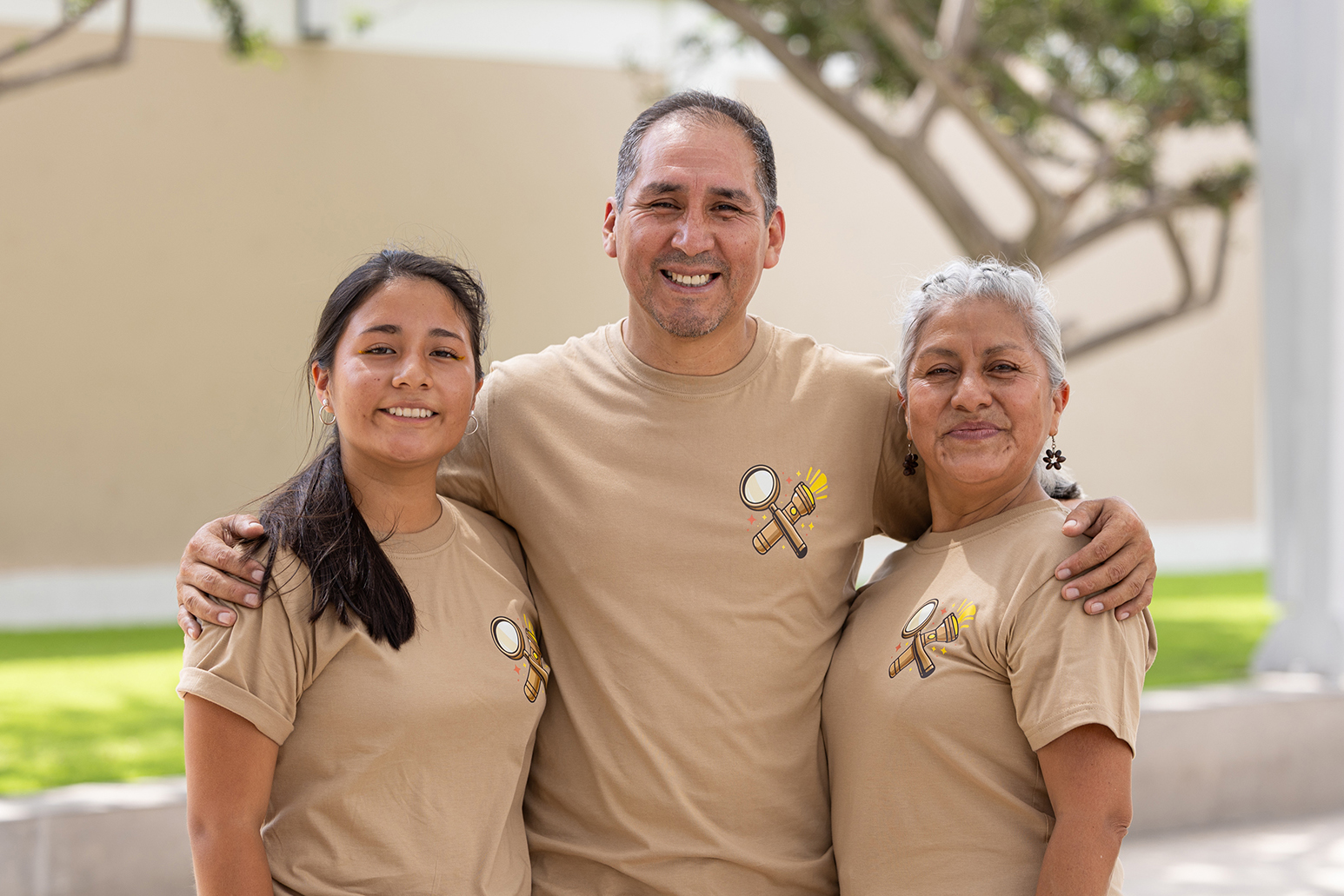
In 2024, Pancho’s daughter, Liliana, experienced a very different crisis.
“God put in my heart, ‘Peru, Peru’—but how could I be a missionary in my own country?” she wondered.
Her childhood in Colombia, combined with the story of another global worker, had impassioned her to become a missionary. “As a family, we were always involved together in ministry,” she explained. “Watching my parents serve was a powerful example in my life.”
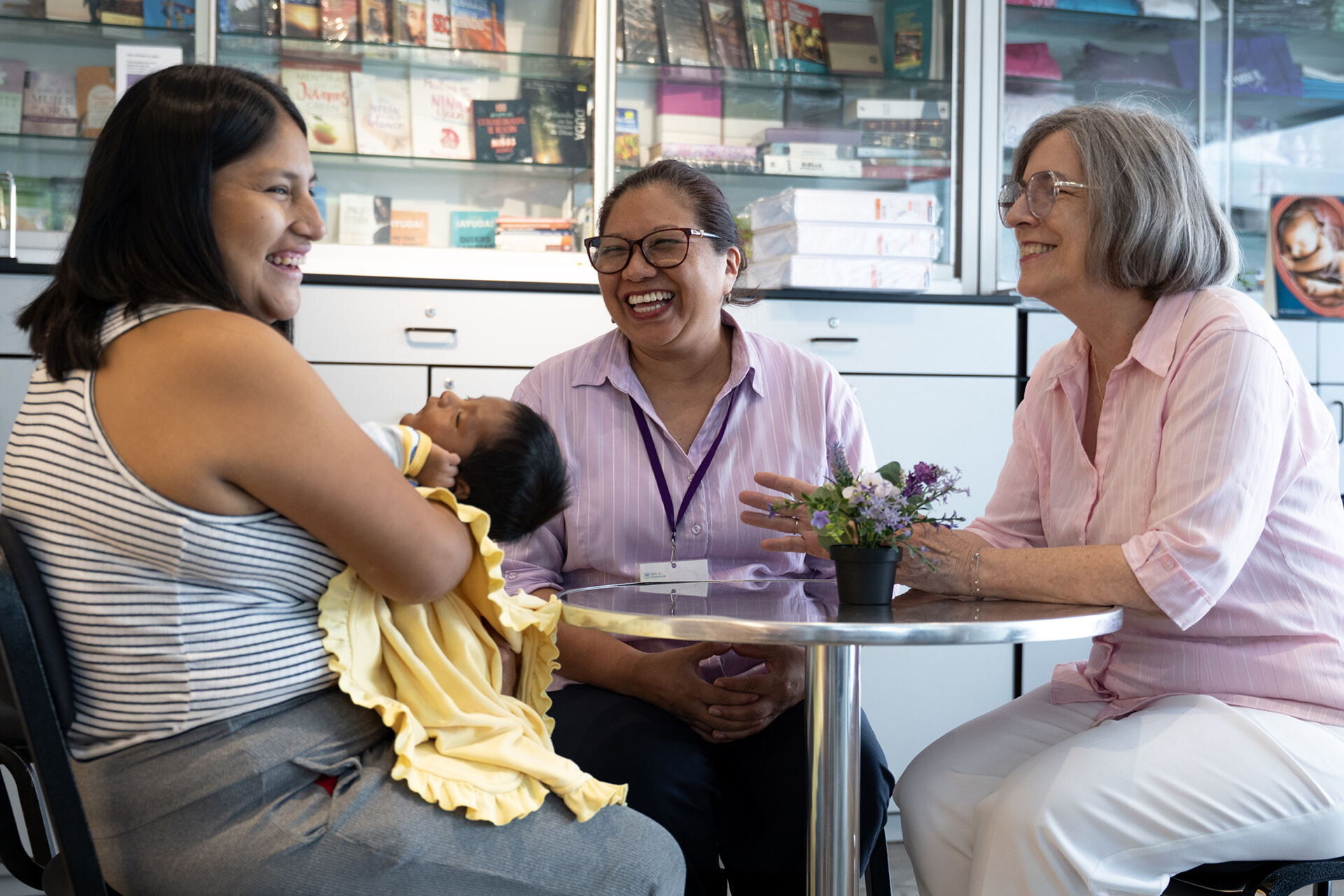
She joined a Colombian missions agency and served two years in Bogota, followed by 13 years in Medellin alongside ABWE missionaries. God began redirecting Liliana as she heard another ABWE missionary, Evelyn Stone—who had founded Latin America’s first pro-life pregnancy center in Lima in 1999 to offer hope to women considering abortion—speak at conferences in 2017 and 2024.
“God confirmed in her heart the call to join this pro-life work and to dedicate herself to biblical counseling here in Peru,” shared Evelyn.
As Liliana wrestled with leaving her church ministry in Colombia, she sensed a need for additional training, explaining, “I often felt that my answers were insufficient and that I lacked the necessary tools. . . . I kept asking, ‘How do we use the Bible to apply God’s truth to these lives?’”
With the full approval of her Colombian missions agency and supporting churches, Liliana joyfully returned to her native Peru to study at ABWE’s Lima Baptist Theological Seminary and to serve as a counselor at the New Life Prenatal Center, where God is using her to transform the lives of mothers and their families.
As the Latin American church flourishes, national believers like the Acho family are stepping into Christ’s mission. Today, Peruvian missionaries serve in more than 20 countries around the world.
“Our team partners with local leaders and churches, training and empowering them not only to reach their neighbors but for worldwide missions,” explained ABWE Regional Director Steve Douglas. “We want to see Peru as an epicenter for missions and the South American church as a new missions force.”