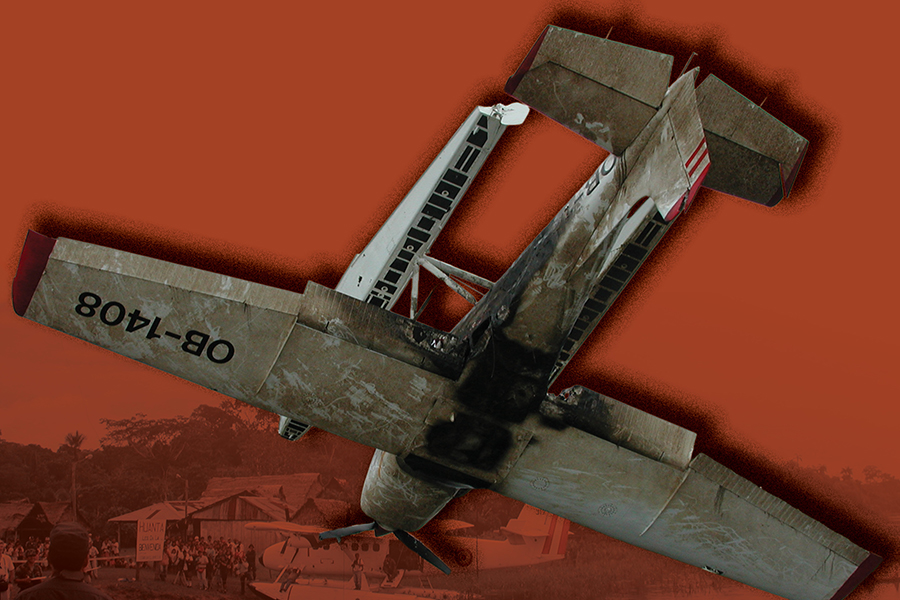



“Iquitos tower, this is OB-1408. I’m at Pevas, en route from Islandia, at 4,000 feet. The military is here. I don’t know what they want.”
Kevin Donaldson’s terse words cut through radio static as the missionary pilot attempted to raise air traffic control.
Seated beside him, missionary teammate Jim Bowers watched the Peruvian Air Force A-37 swoop under their single-engine Cessna, first to the left, then to the right. The fighter had appeared in the cloudy sky an hour into their two-hour flight from the Peru-Colombia border.
The Bowers family—Jim, Veronica “Roni,” six-year-old Cory, and seven-month-old Charity—was returning from an overnight trip to Leticia, Colombia, where they obtained a resident visa at the Peruvian consulate for their adopted baby daughter. For the past six years, Jim and Roni had ministered in the isolated Amazon region of eastern Peru, using their houseboat to access river villages, train pastors, and teach local churches.
The missionaries didn’t realize that their takeoff had been flagged by a CIA surveillance plane in a drug interdiction operation—or that the Peruvian liaisons had scrambled a jet to intercept them.
As CIA observers debated whether the plane’s actions warranted engagement, Jim saw a puff of smoke erupt from the nose cone of the A-37. A bullet pierced the windshield in front of him. A cacophony of gunfire exploded around them as rounds tore through the fuselage.
“They’re killing us! They’re killing us!” Kevin shouted over the radio.
The CIA pilot yelled for the Peruvians to stand down. “Don’t shoot! Tell him to terminate; no más, no más!”
Smoke and flames engulfed the small cabin. Kevin fought to guide the rapidly descending Cessna toward the break in the rainforest where the Amazon River snaked below, the only place the pontoon plane could land. Unable to step on the rudder, Kevin realized that both his legs had been shot; his shattered right leg remained only tenuously attached to his foot.
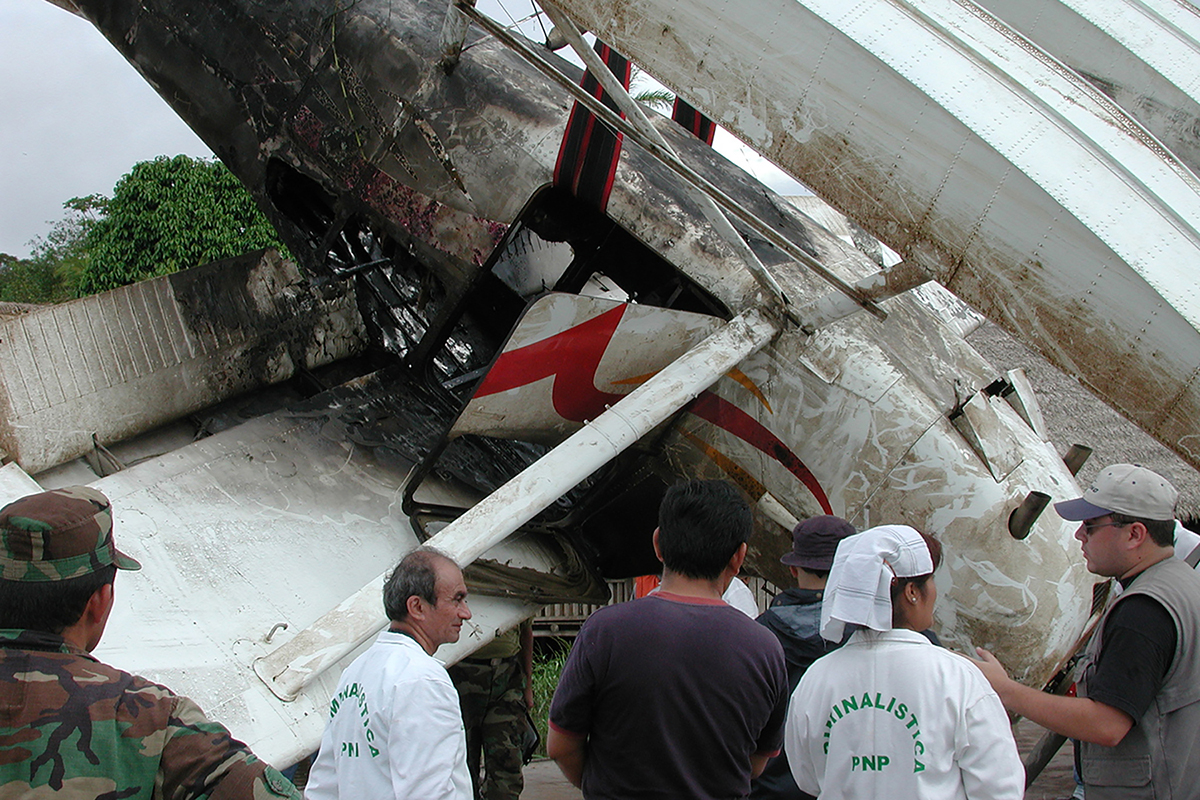
At 10:50 a.m. on April 20, 2001, the plane smacked down into the Amazon. Flames spread across the water; Jim urged Cory to jump to safety. He turned toward Roni and Charity. Realization dawned: a single bullet had ushered both mother and baby into the eternal arms of their Savior.
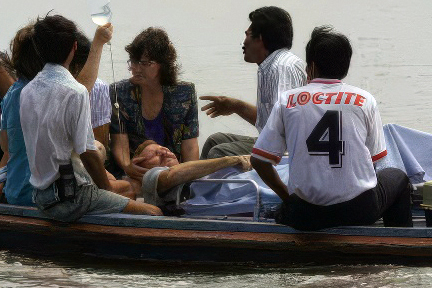
For those who remained, the ordeal was not over. Jim, Cory, and Kevin watched as the perforated left float sank and the plane overturned in the water. They clung to the inverted pontoons for more than 30 minutes before locals arrived in canoes from the nearby village of Huanta. Shocked to see the familiar faces of Jim and Roni, who had ministered in their village, they mourned Roni’s and Charity’s passings and ferried Kevin by speedboat to the nearest jungle clinic, 90 minutes away—saving his life. Jim discovered a ham radio donated by another missionary in one of the huts and reported the situation to Kevin’s wife, Bobbi.
Six hours later, Peruvian military personnel descended on the village, joined by two American DEA agents, to find the alleged drug traffickers they had shot down. As an international incident simmered, Jim endured hours of questioning in Iquitos before he and Cory wearily boarded a flight to the US for the funeral of his beloved wife and daughter.
An Unexpected Platform
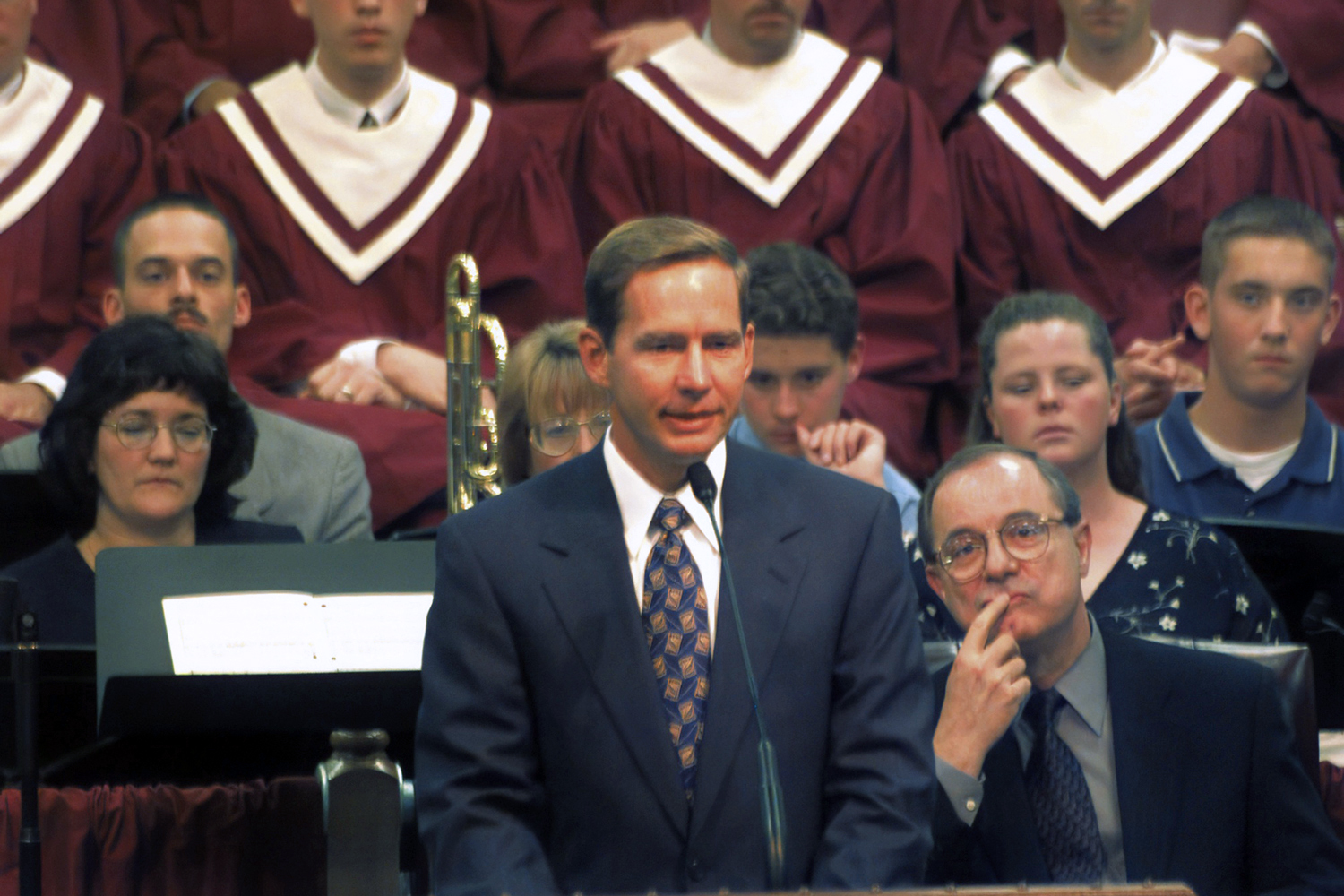
“The thing I remember most about the memorial service was Jim’s testimony about his trust in a sovereign God,” said Dave Southwell, former ABWE executive director for Latin America. “He talked about how Roni’s death was not good, but it was good in God’s sight. Jim trusted in a God who doesn’t make mistakes.”
“He talked about how Roni’s death was not good, but it was good in God’s sight. Jim trusted in a God who doesn’t make mistakes.”
Dave Southwell
The impact of those events that began in the Peruvian skies continues to reverberate 25 years later. Through the everyday faithfulness displayed in the missionaries’ lives and deaths, God’s sovereign hand has portrayed to his church and a watching world the cost of obedience, the power of forgiveness, and the unsurpassed worth of his kingdom.
Initially, the political backdrop of Roni’s and Charity’s deaths captured the attention of the American public. As legal investigations later concluded, the procedures outlined in the US government’s 1994 authorization for the drug interdiction program had, in practice, been condensed or omitted. The plane’s registration was not properly verified, and the Peruvian Air Force pilot’s attempt to contact the missionary plane came over a radio frequency not typically used in flight.
“It garnered attention because a mother and baby were killed,” Dave noted.
Others drew parallels with the 1956 martyrdom of five missionaries attempting to evangelize the Huaorani people in Ecuador. Yet the ABWE missionaries were quick to point out that, while the location of their ministry may have led to some level of risk, the incident occurred in the course of a routine aspect of their work.
“Jim said at the time, ‘We weren’t shot down because we were missionaries. We happened to be missionaries and we got shot down,’” recalled Kristen (Stagg) Gardner, author of If God Should Choose: The Authorized Story of Jim and Roni Bowers. “One of the things people struggled with, like in the story of Job, was ‘Why would God allow this to happen?’”
As interest grew, reporters lined the driveway at the ABWE international headquarters outside Harrisburg, Pennsylvania, and gathered outside Jim’s temporary home in North Carolina. Jim accepted an interview with Diane Sawyer, then met with President George W. Bush at the White House—each interaction revealing his unshakable hope in Christ.
“A lot of people asked me questions about how I was dealing with this, and all I could say was, ‘God has given me grace,’” he shared recently. “People say it was a tragedy . . . but I don’t know how it’s a tragedy that my wife and baby got to be with the Lord, and the rest of us survived.”

Jim and Kevin, along with ABWE staff members, discovered an unexpected platform for sharing the gospel.
“We were managing the information, trying to take advantage of the situation for the Lord and for ministry,” explained Dave, who became the Bowers family spokesman. ABWE mailed hundreds of gospel booklets to those calling to find out more about the God the missionaries served. Others, like Kristen herself, developed evangelistic opportunities through Roni’s story lasting to this day.
‘Why Would You Do That?’
Back in Peru, ABWE missionary teams experienced an outpouring of concern, even while handling ongoing governmental ramifications. ABWE had established a long history in Iquitos; missionaries arrived in 1939 to open the organization’s first field outside of Asia.
“Our Peruvian friends and neighbors were very sympathetic,” remarked Glenn Budd, an ABWE missionary pilot serving mountain villages near Chiclayo—who himself was pursued by an air force helicopter two weeks after the shootdown. “They recognized we came down from the States to Peru, where we had all these risks, and asked, ‘Why would you do that?’ And, of course, we could share that our love for the Peruvian people and our desire for them to know the Lord is what motivates us to keep doing that.”
Even more powerful were Jim and Kevin’s decisions to forgive those who had caused their suffering. As a tangible demonstration, they sent Bibles to Peruvian Air Force pilots inscribed with a personal message of forgiveness.
“When we were able to share in our area and in Lima that they forgave the people who did that to them, that was a great testimony,” Glenn observed.
Later, the Peruvian ambassador to the US issued a letter to ABWE requesting that missionaries remain in the Amazon region to continue their beneficial work.
Unfinished Work
While speaking to the crowd gathered at the memorial service, Jim reflected, “I’m convinced that God directly intervened to spare Kevin and Cory and me because he still has some kind of work for us to accomplish.”
“I’m convinced that God directly intervened to spare Kevin and Cory and me because he still has some kind of work for us to accomplish.”
Jim Bowers
Even in his grief, he prepared for the next chapter of God’s plan. “I read a number of different books in those first years that were a big help to have the right perspective and to encourage other people,” he said.
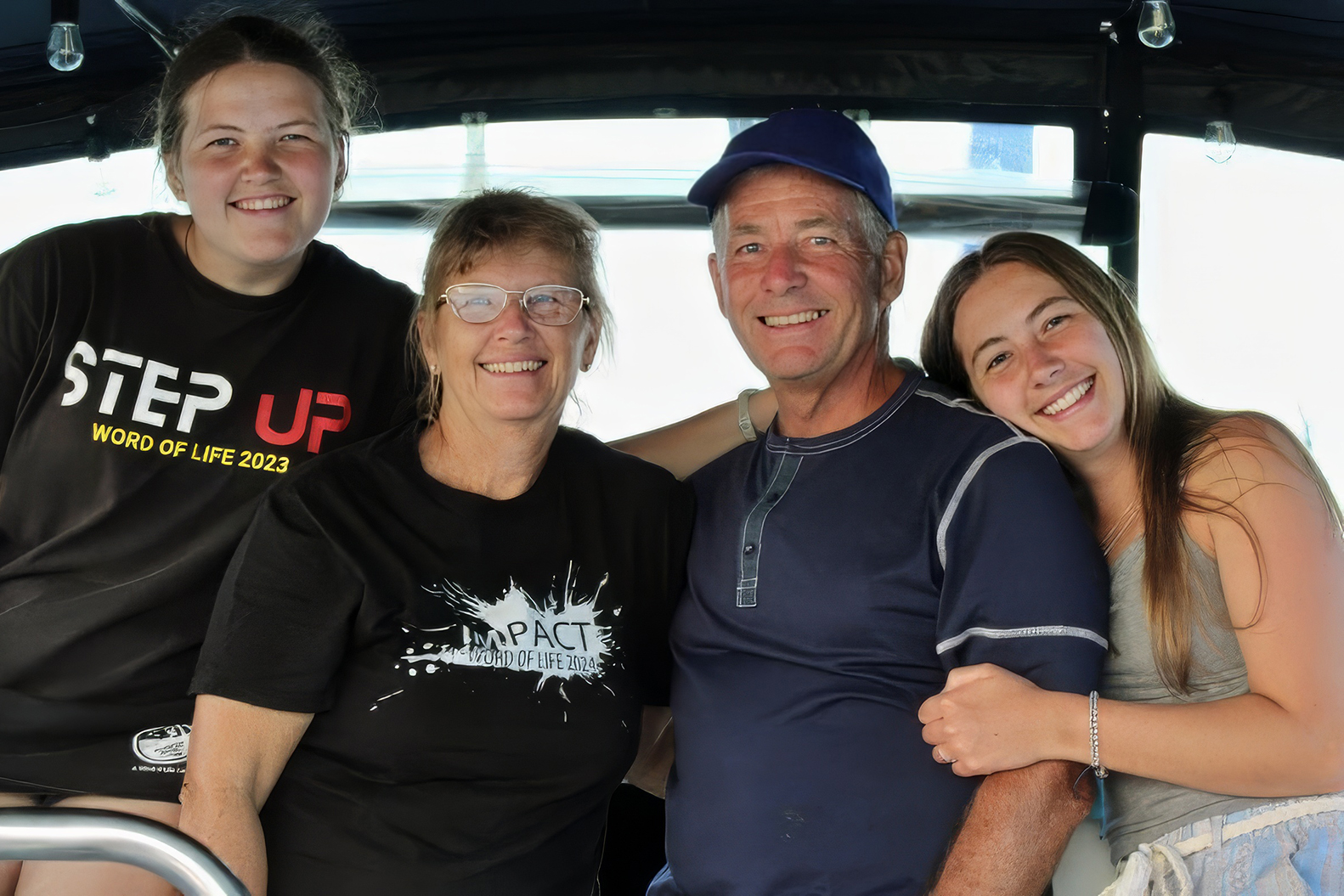
God revealed not only Jim’s next steps but a companion for the journey. Through a long-distance condolence phone call to Jim’s family after the plane crash, Jim reconnected with Stacie. He and Stacie had been good friends while growing up attending a boarding school in Brazil, and she had been serving for many years as a single missionary in Portugal. They married in late 2002 and served together in a Spanish-language church in North Carolina, then briefly in Portugal, where their daughter, Lauren, was born. In 2005, they began a nine-year ministry in Mozambique developing a Christian recreation center and adventure camp. “We used sailing to get youth interested in hearing about the Lord,” Jim explained. During their first term in Africa, God blessed them with another daughter, Marlene.
Jim and Stacie currently serve through Maritime Ministries International and host retreats for pastors and missionaries from their home in Puerto Rico. Jim notes how God continues to use his experience for his glory: “It’s given me an opportunity to come alongside other people who have asked me how I coped with it and things that help. . . . The Lord orchestrates our conversations.”
From the Rainforest to the Desert
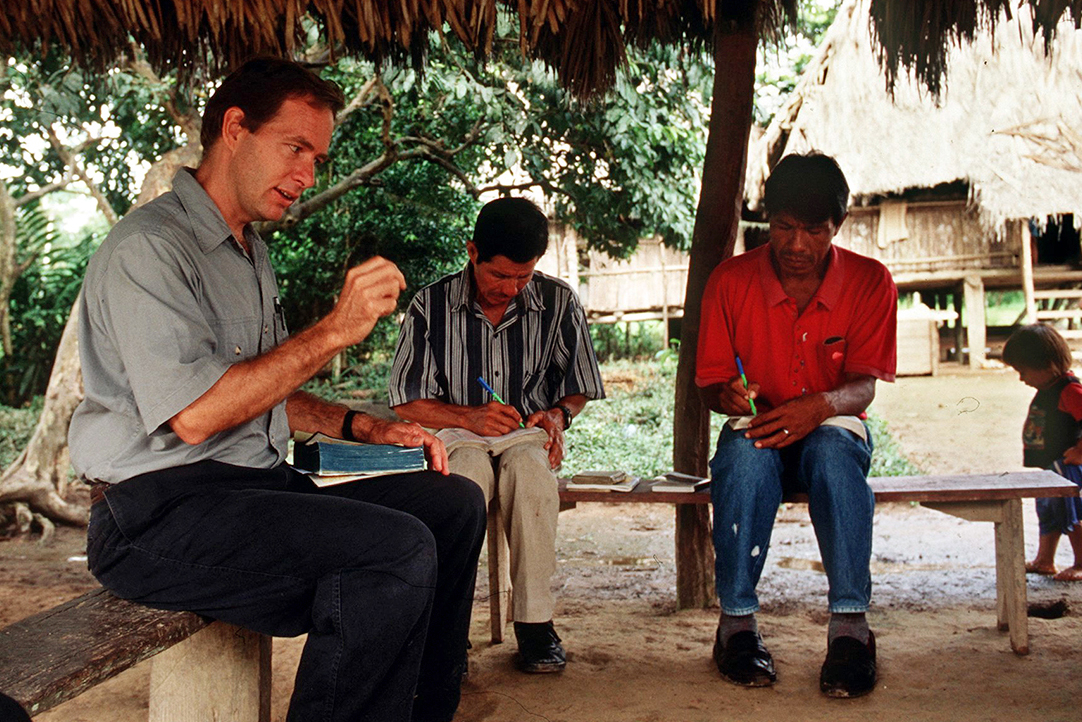
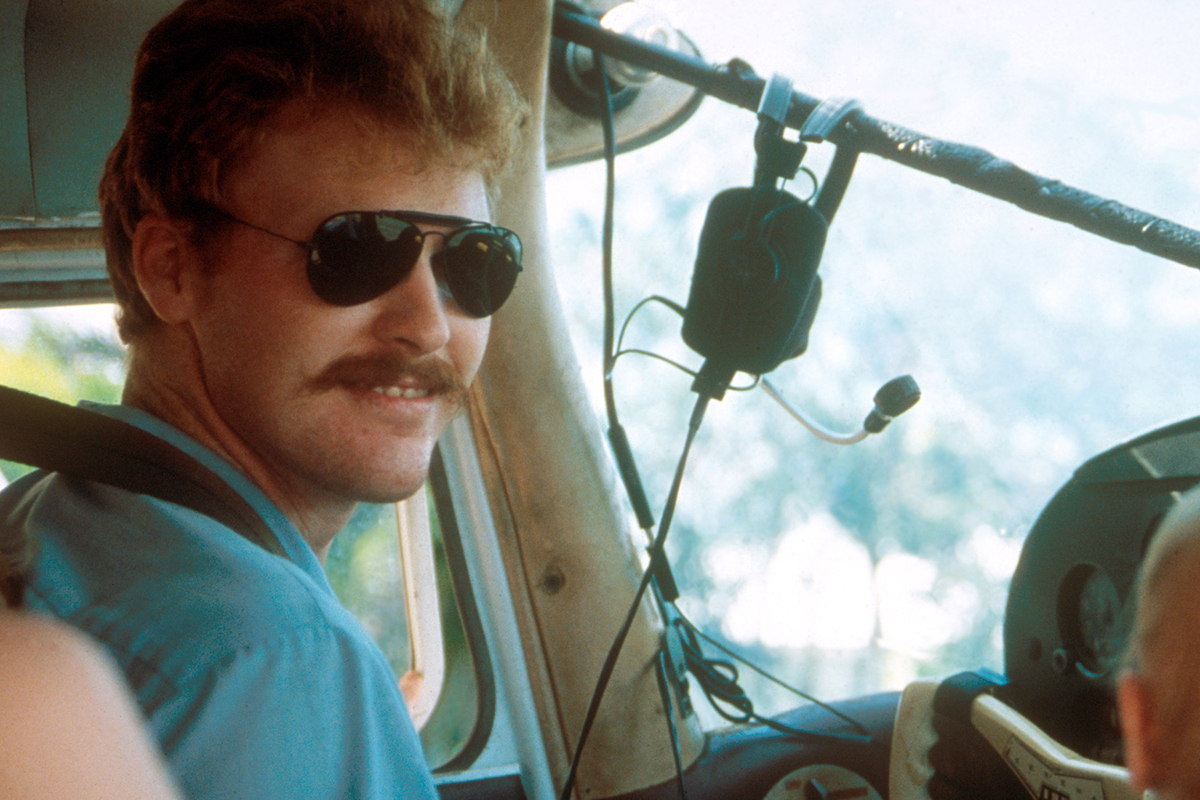
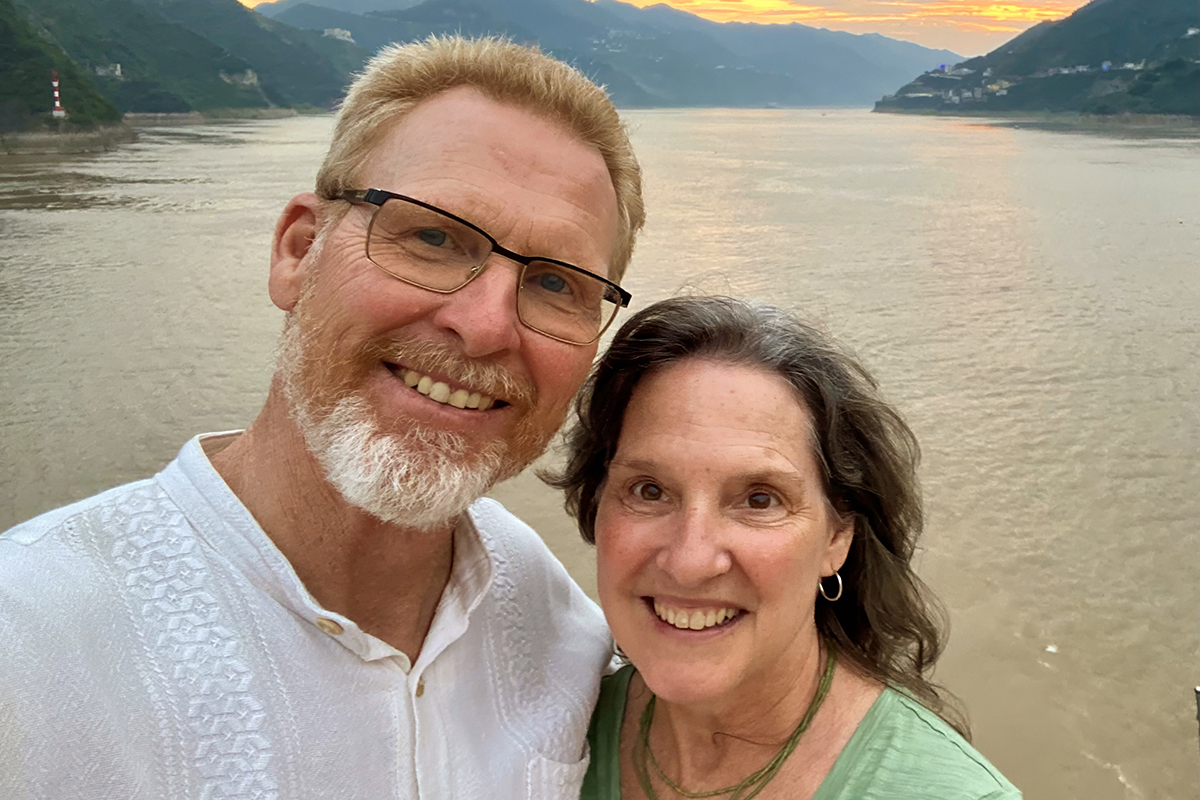
Kevin, after healing from multiple surgeries, returned to Peru, where he and his wife, Bobbi, had served since 1985. With the aviation ministry suspended in Iquitos, however, they soon turned their focus to a unique opportunity in the Middle East. Kevin partnered with another missionary to establish a business at a local flying club, operating powered parachutes. Through aviation sports, he and Bobbi developed relationships with influential families in the nation and spoke openly about the gospel.
“Whenever people marvel at our subsequent overseas ministries and bemoan the dangers for us, we assure them that we’ve experienced a lot worse in surviving the shootdown, and God was there,” he remarked.
Now living in Pennsylvania, Kevin and Bobbi travel regularly on short-term missions trips, often while mentoring young people.
Kevin notes that God has redeemed his experience in Peru to grow his faith and encourage other believers. “I don’t take the future for granted. Because missionary aviation is inherently dangerous, I was already accustomed to trusting the Lord moment by moment, day by day, and the shootdown showed me why,” he said. “Sometimes serving the Lord involves physical and emotional pain, but it’s still worth it. . . . I hope and pray that God can still use that painful memory for his glory.”
“Sometimes serving the Lord involves physical and emotional pain, but it’s still worth it. . . . I hope and pray that God can still use that painful memory for his glory.”
Kevin Donaldson
A New Generation of Missionaries
The impact on world missions extended well beyond the Bowers and Donaldson families. Jim’s funeral address included additional evidence of God’s sovereign plan: “One thing that convinces me that God did this to Roni and Charity is the profound effect this event is having on people around the world. The interest in missionary work now, I’m hoping, will result in an increase of missionaries in the future.”
When Dave Southwell received the shocking phone call from missionary Larry Hultquist informing him of the shootdown, just down the hall from his office, the president of ABWE was finishing a lunch meeting to discuss how ABWE could become more widely known.
“The Peru Incident, as it came to be called, got so much publicity that we saw God use it to guide people to missions, not just with ABWE but many different places,” Dave shared. “It was a wake-up call.”
“The Peru Incident, as it came to be called, got so much publicity that we saw God use it to guide people to missions, not just with ABWE but many different places. It was a wake-up call.”
Dave Southwell
Among those burdened for missions were Andy and Carol Patton, who first traveled to Iquitos to oversee the construction of a sports complex built with memorial funds, launching a missionary career in South America that continues today. Likewise, Patrick and Gina Cassidy changed course from Togo to Peru from 2002–2007 to restore Jim and Roni’s houseboat ministry among Amazon villages, and an additional couple joined the ABWE team in Peru, stating, “The incident with the Bowers family caused me to evaluate how little I had been serving God.”
Another couple, John and Bev, launched a ministry equipping national partners in Southeast Asia. John wrote, “God used the Bowers tragedy to get our attention, not just on ABWE, but on the price God’s servants can be called to pay by the One who gave it all (2 Corinthians 5:15).”
Since 2001, the propeller of OB-1408 has been displayed at ABWE’s international headquarters as a visible reminder of the gravitas of the missionary call.
A Life That Impacted a Church
While Roni’s death prompted believers in the US to pick up the mantle in the Great Commission, her life left a lasting impact on the Peruvian church.
“She built into people through her life,” Kristen recounted, “not just through teaching but through activities like volleyball. . . . They were always inviting people to travel on the boat with them.”
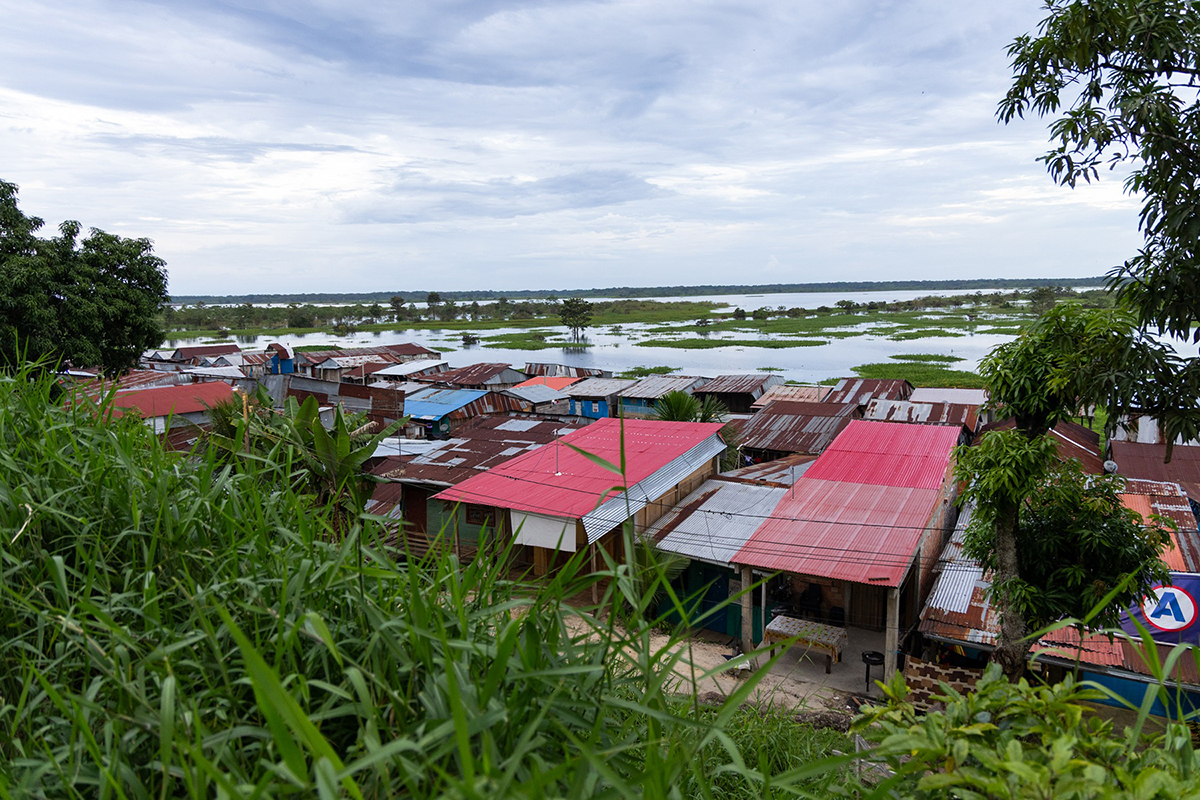
Jim has returned to Peru several times to maintain connections with local church leaders. “Living aboard a riverboat for five years in the late 1990s allowed us access to dozens of remote villages along a 300-mile stretch of the Amazon,” he remarked. “In communities with a maturing church, some of Roni’s friends were deeply impacted by her life and sudden death. They were inspired to be more like Roni in their witness and faithfulness to disciple others.”
On a recent overnight river trip, Jim and his family passed the location of the shootdown. Unable to stop while navigating in the dark, Jim spoke via phone to Ivan, a dear friend who, with his family, tearfully watched from the bank as their boat continued down the river. Ivan and his brothers had traveled as teenagers with Jim and Roni to minister in remote villages. Several of these men now serve as pastors in their towns.
“It’s been very encouraging for me to hear about yet another Peruvian friend God has challenged through my loss,” Jim continued.
Through their sacrifice, and the faithfulness of many other missionaries through the years, Peruvian churches are maturing.
ABWE Regional Director Steve Douglas observes, “In Iquitos, we’re seeing local pastors now starting churches. They’ve taken over the riverboat ministries that our teammates did decades ago, and they’re beginning to reach their Jerusalem and Judea.”
The Cost of Missions
Seconds before the first bullets strafed missionary floatplane OB-1408 on April 20, 2001, CIA pilots questioned whether to engage: “Are you sure it’s bandito? . . . I think we’re making a mistake.”
Though their error had devasting consequences, the sovereign hand of God continues to use the missionaries’ sacrificial service to urge Christ’s church to his mission—not only among the isolated villages of Peru but to the unreached around the world.
John Piper, in a 2026 sermon, underscored Jim’s perspective: “If you were the husband, having lost your wife and your seven-month-old daughter, what would you say? What did Jim Bowers say? ‘Roni and Charity were instantly killed by the same bullet. Would you say that’s a stray bullet? That was a sovereign bullet.’ . . . This is the price that some of you will pay as you follow Christ obediently to the unreached of the world.”
“What did Jim Bowers say? ‘Roni and Charity were instantly killed by the same bullet. Would you say that’s a stray bullet? That was a sovereign bullet.’ . . . This is the price that some of you will pay as you follow Christ obediently to the unreached of the world.”
John Piper
Christ has promised to build his church, and even risk and suffering will not deter the advance of his kingdom.
“We’ve often heard it said that the safest place to be is in the center of God’s will,” added Dave Southwell, “but that’s not always true. Sometimes it’s safer to not be involved in missions. But it’s something that we’re called to do—to give up ourselves regardless.”