

“I knew you were different.”
Kuba leaned over the wooden counter and stared at the couple standing, bundled against the cold, on the donut shop porch. Their previous conversation still echoed in his mind.
Kuba had met ABWE missionaries Nick and Jill Toothman two years prior, soon after they moved to Gdansk. Every day, the couple walked past the paczki bakery—a traditional Polish donut shop—where he worked.
“We wanted to form relationships with people in the community, and we did that by talking to anybody who would talk with us,” Nick explained.
In December 2025, they brought Kuba a Christmas cake. Flustered, he told them he had nothing to give them in return. “That’s not how grace works,” Nick assured him, and the conversation shifted to Kuba’s desire to visit his village, a four-hour drive from Gdansk.
Later that afternoon, Nick and Jill felt led to offer Kuba a ride home for Christmas. As they approached the shop, Kuba called, “I’m so glad you’re back! I’ve been thinking about grace since you left. What did you mean by that?”
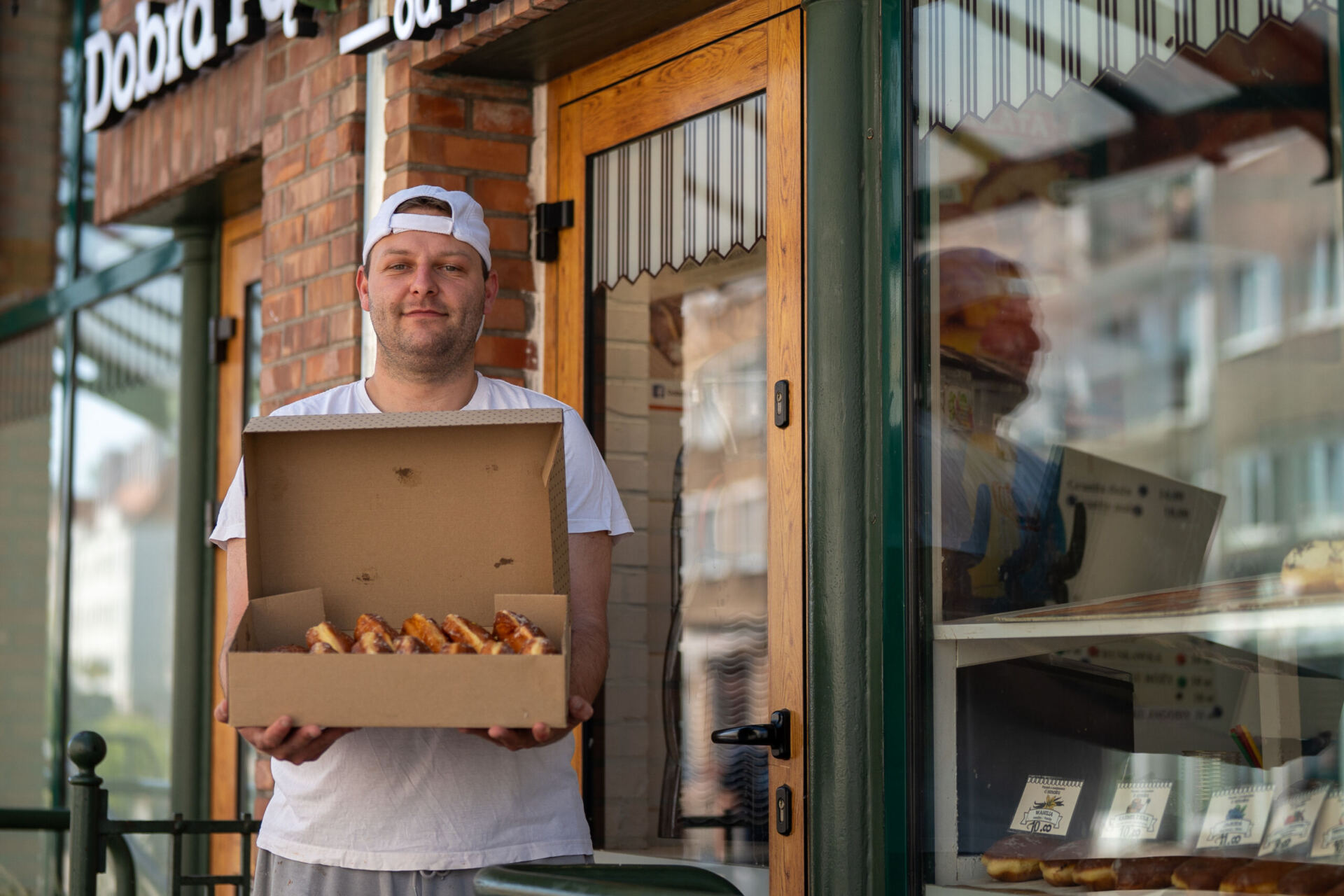
They explained the grace of God through the gospel. Kuba listened intently, then shared that a coworker had told him some of these truths two months earlier. He wanted to follow Christ but had no idea how to do that. Nick and Jill invited him to study the Bible with them in their home.
“We must do this,” he exclaimed. “God sent you to me. I knew from the beginning you guys were different, and now I know why.”
Kuba’s faith grew through their discipleship. Raised a devout Catholic, he was amazed to learn that Jesus alone was enough to save him. Soon he was eagerly sharing the gospel with his parents and coworkers.
“God is orchestrating these relationships to build his church,” said Nick. “And we’re seeing it right here in our neighborhood.”
Launching a Team
“I’m in. I’ll go to Poland,” Ron Davis told ABWE Executive Director Jeff Demerly after a sleepless night in 2020.
The day before, Jeff had mentioned that ABWE was praying for missionaries to reopen its work in Poland, a spiritually dark but strategically important country.
“But here’s the difficulty,” Jeff had cautioned. “It would just be you. We don’t have any other missionaries there.”
Ron had originally planned to return to Slovakia, where he and his wife, Riki, had served in the early 2000s. After Riki died of cancer, Ron realized he would be returning to Central Europe alone and prayed anew for direction.
He began researching which Polish cities most needed the gospel. Most missionaries had settled in Warsaw, Krakow, and southern Poland, while the north remained largely untouched. An unexpected email confirmed his direction. An ABWE partner had read about Ron’s calling in Message Magazine. The partner offered to connect him with a Ukrainian Baptist pastor in Gdansk who had been praying for an American missionary to help with his young church plant. Ron now had the personal contact he needed to enter Poland.
Meanwhile, God was assembling a team.
Nick Toothman, a banker turned youth pastor, sensed the Lord redirecting his career while meditating on the apostle Paul’s goal “to testify to the gospel of the grace of God” (Acts 20:24 ESV). He told his wife, Jill, “We could live successful lives just by being faithful to the Lord and spreading the gospel seed everywhere—generously—and trusting him.”
Nick and Jill discussed their growing conviction with Ron, whom Jill had met while working at the cancer center where Riki was treated. He invited them to join him in Poland.
While raising support, Ron also invited an associate pastor named Micah Griffith to join the team. Micah and his wife, Emily, had to weigh their ministry in the gospel-rich American South against Christ’s call to count the cost of following him.
“We took a step of faith,” Micah remarked. “We said, ‘Lord, wherever you want us to go in life, we will follow you.’”
Ron landed in Poland in May 2022. The Toothmans and Griffiths followed in mid-2023—but the team’s work had only begun.
A Barrel of Salt
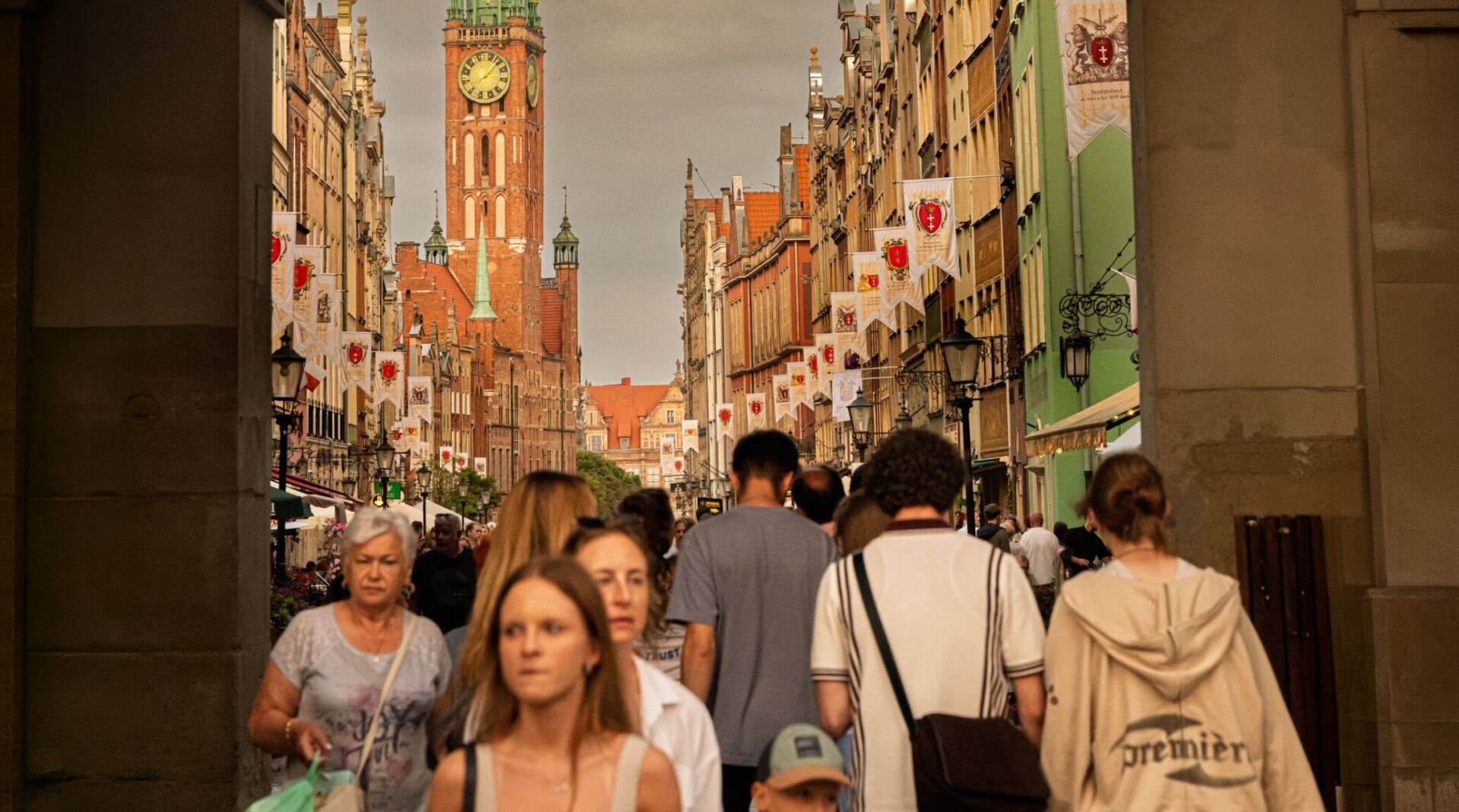
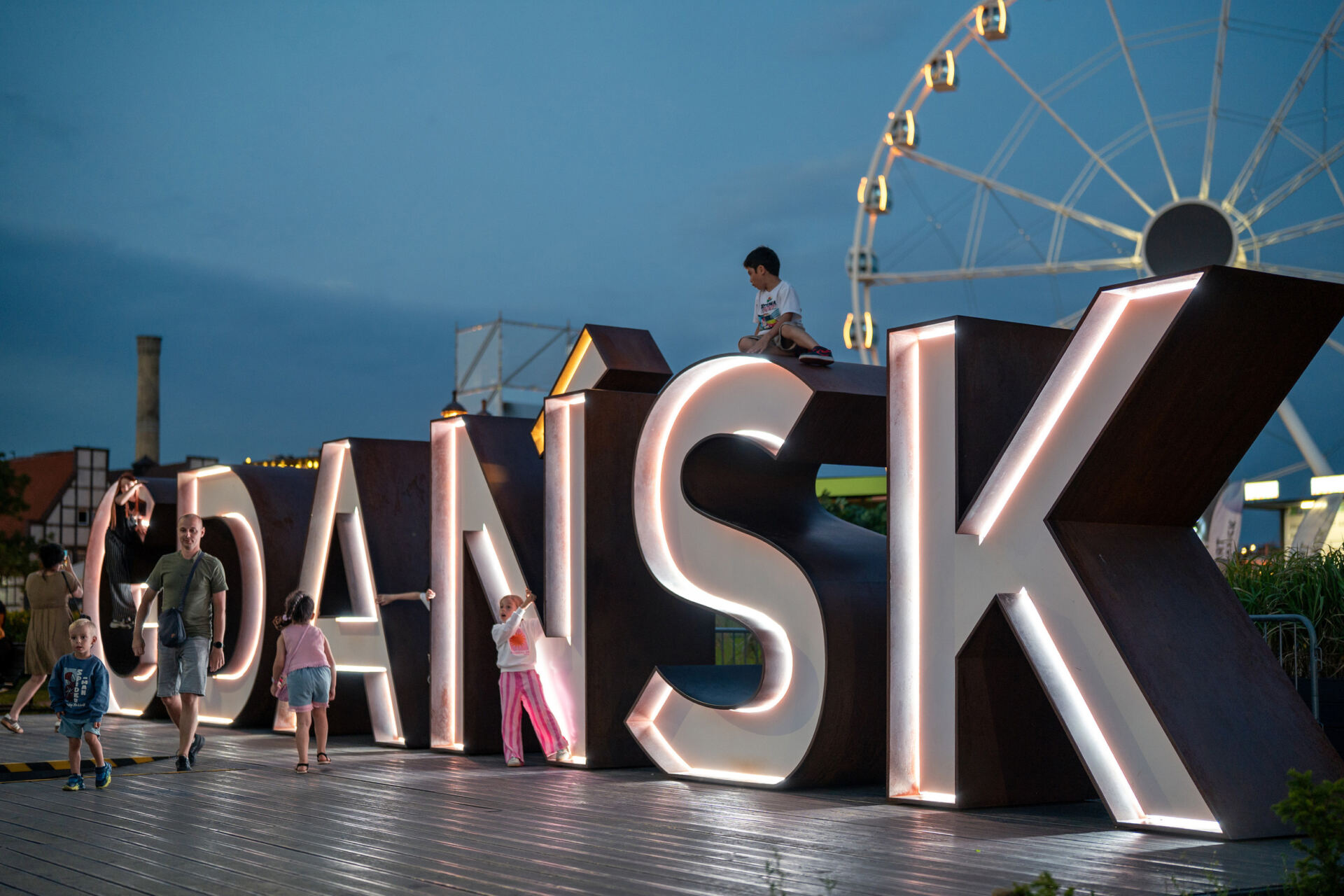
In Gdansk, history, religion, and culture are tightly bound together. Nazi Germany fired the first shots of World War II here on the Westerplatte peninsula as it invaded Danzig (modern Gdansk) in 1939. The rubble of buildings and lives remained long into the cold, hungry years of communist dictatorship.
Four decades later, Polish electrician Lech Walesa stood inside the gates of Gdansk’s Lenin Shipyard and signed the agreement that launched Solidarity—the first independent trade union behind the Iron Curtain. The pen he used bore the image of Pope John Paul II, whose pilgrimage to his native Poland the year before had renewed popular fervor for Catholicism and challenged Soviet hegemony.
“Catholic identity was crucial to our national identity,” explained Konrad, a Polish pastor. “If you weren’t Catholic, you were likely betraying the nation and collaborating with the communists.”
“Catholic identity was crucial to our national identity. If you weren’t Catholic, you were likely betraying the nation and collaborating with the communists.”
Konrad, Polish pastor
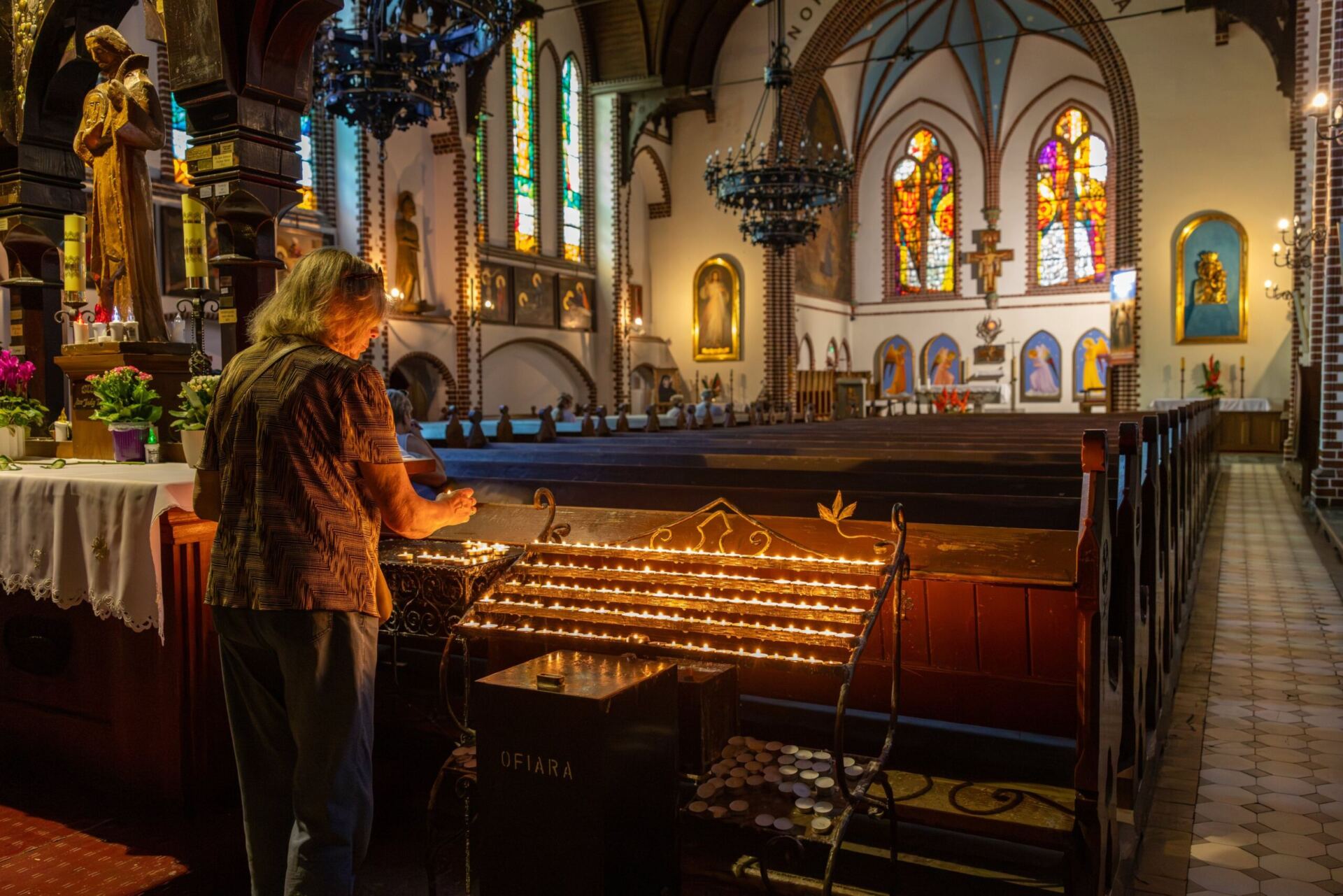
Today, Poland is still known as “Rome’s most faithful daughter,” and that heritage remains woven into the fabric of Polish culture. Even the growing number of atheists, who despise the priests’ hypocrisy and lavish lifestyles, hesitate to turn their backs on Catholicism by considering evangelical beliefs.
Meanwhile, many practicing Catholics believe they are already saved. They know Bible stories and Christian language but rely on rituals to take away their sin.
“Unless the Word really opens their eyes, they’re blinded by all this tradition, by all this history,” Ron remarked.
Yet tradition is beginning to erode.
“Polish people are so resistant to the gospel,” Konrad added. “It’s not that they’re all strongly against it; it’s just that they don’t care. The country is secularizing rapidly and shifting its values. The economy is strong, and people are focused on climbing that ladder. So when you try to discuss spiritual things, they say, ‘Cool story; leave me out of it.’”
The Joshua Project estimates that only 0.3 percent of Poles are evangelical Christians—a smaller percentage than in Saudi Arabia. Poland has only about 5,000 Baptists in a nation of 38 million.
The ABWE team faced a daunting task. In a country so indifferent to the gospel, where would they start?
“We understood that God works through the local church, so we chose a pathway for church planting that mobilizes where there are already believers and works out from there,” Micah said.
The team invested in building relationships to share the gospel. They also partnered with Gdansk’s few but faithful believers to equip them and expand their reach. In Poland, both take years.
“We need to be consistent in people’s lives not only to share our faith but to reflect its effects in our lives,” said Nick. He explained that a Polish friend once commented that, in order for someone to trust you, you must share a barrel of salt. “When you have dinner with somebody, how much salt do you put on something? Just a sprinkle. So it takes a lot of meals, a lot of time together to form trust.”
Refugees Reaching Refugees
The team arrived in Poland to the chaos of Europe’s largest humanitarian crisis since World War II. When Russia launched its full-scale invasion of Ukraine in 2022, 1.5 million Ukrainians sought asylum in Poland. Millions more flooded through its borders.
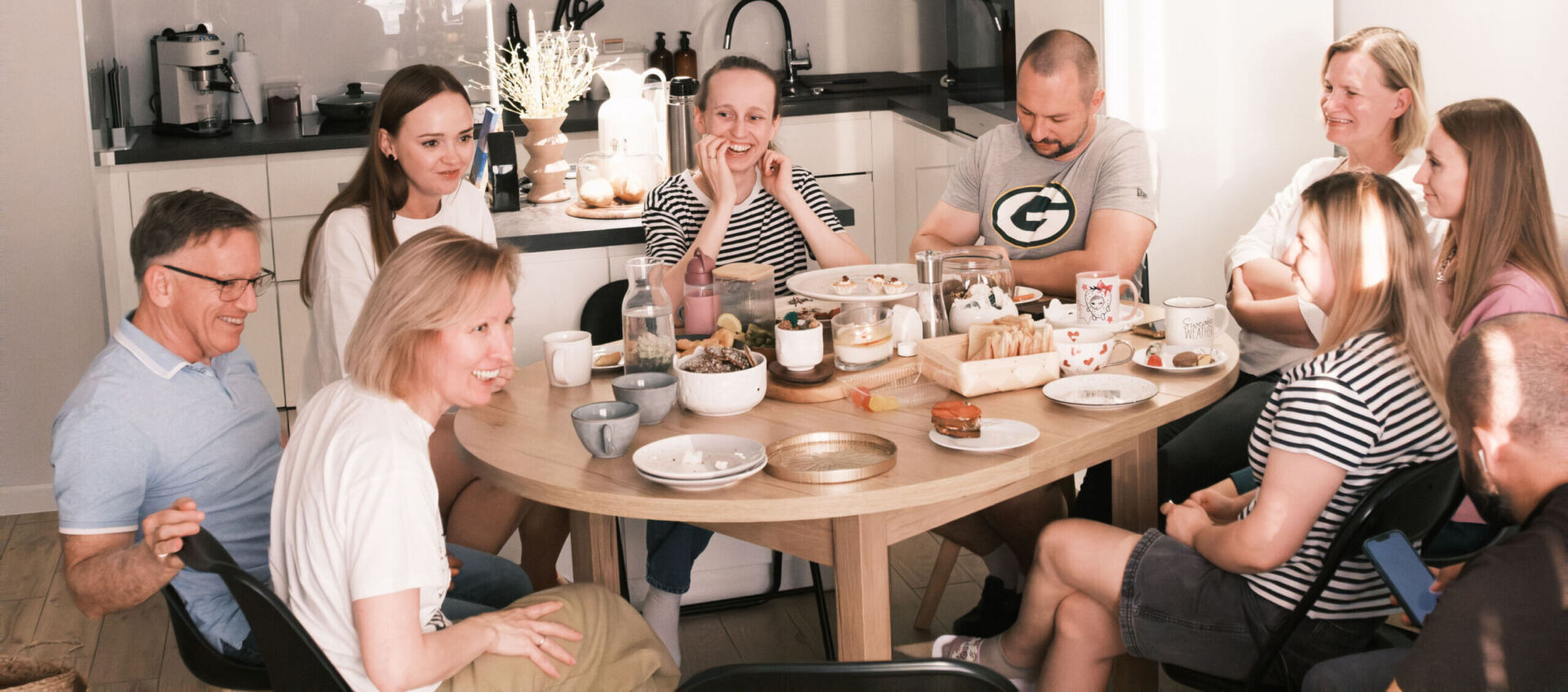
Ron immediately joined Maksym, the Ukrainian pastor who had invited him to Poland. Together they handed out humanitarian aid and shared the hope of Christ with refugees shaken by trauma and loss. Their Ukrainian- and Russian-speaking congregation swelled from 60 members to 200 nearly overnight. Aware of the need for long-term ministry, ABWE teammates later led efforts to plant a daughter church in a neighboring city.
Turmoil elsewhere in Eastern Europe brought yet another people group. About 35 Belarusians—many of them political refugees fleeing their country’s oppressive regime—arrived at their congregation, Fourth Baptist Church.
“We minister to whoever God brings into our path. We give them the gospel in every way we possibly can,” Ron said.
Once again, God was preparing believers to serve alongside them—this time from among the refugees themselves.
“These believers are the fruit of previous generations of missionaries who sowed the gospel in Eastern Europe,” Ron commented. “They’re part of the wider picture of how God is working in Europe today.”
Olga, a pastor’s wife, guided her four children out of Ukraine through air strikes and dangerously cold temperatures. Once in Gdansk, she began teaching Sunday school to reach the many refugee children—and their mothers—now filling the church. She was joined by Natalia, a single mother from Belarus. Natalia had been forced to flee after a photo was published showing her protesting the regime’s violent crackdown following Belarus’ disputed 2020 election.
The third teacher became a surprising answer to Ron’s prayer for more missionary teammates.
An Unexpected Teammate
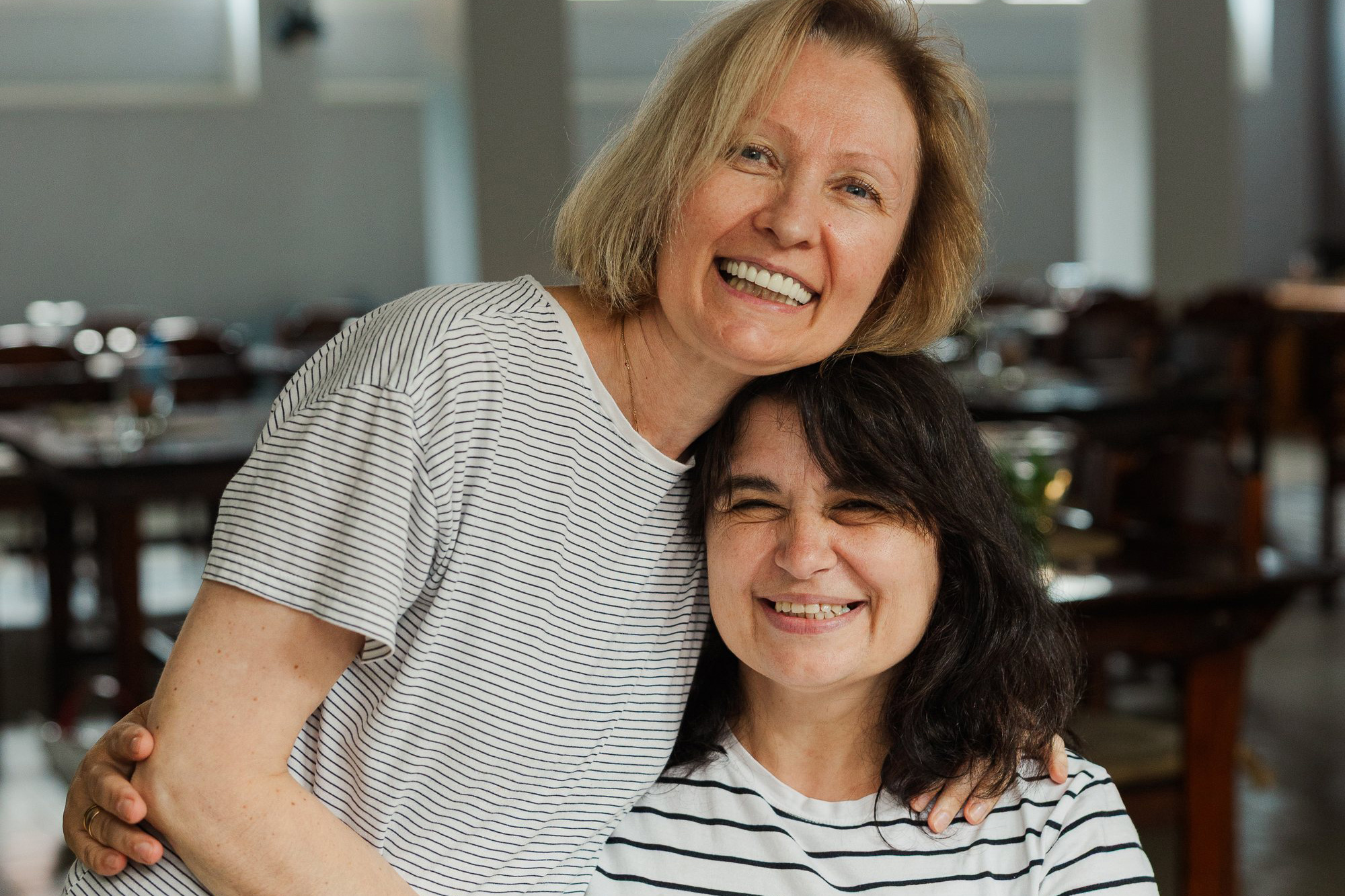
One day while traveling with Ron, Maksym suddenly asked, “Do you know Svitlana? She works in our Sunday school.” Ron did not. Pausing briefly, Maksym leaned over and suggested: “You should.”
Svitlana was born on a Soviet military base and raised in schools steeped in communist ideology. “We saw cartoons depicting God as an old man sitting in the sky, and we mocked that old man in the sky,” she recalled.
The collapse of the USSR opened the floodgates for the gospel. Missionaries built churches and distributed Bibles, even in Svitlana’s stark Ukrainian village. By the time her mother invited her to church, Svitlana felt hopeless. Betrayed by her husband, she struggled to provide for her two children.
“The whole church atmosphere captivated me,” she said. “I heard a sermon about Jesus and wanted to come back.”
She eventually responded to the pastor’s invitation to follow Christ. The following year, she studied in a seminary led by missionaries. Looking for work, she moved to Gdansk and began serving at Fourth Baptist Church—where Olga later arranged for her to meet Ron. Ron and Svitlana married in 2024.
“God has cared for me so faithfully and made it possible for me to serve the church alongside Ron,” she remarked.
Training for the Future
As the wave of refugees settled into life in Gdansk, so did the ABWE team. Even while spending long hours in language study, the team built a growing network of relationships for evangelism, discipleship, and leadership development. Bible studies proved especially useful for training new leaders.
Nick and Jill led one small-group Bible study in their home. They quickly noticed Pasha, a young construction worker from eastern Ukraine.
“Pasha stood out as someone who wanted to learn more and was just grabbing at every opportunity to serve,” Nick said. “So, prayerfully, we taught him how to study the Bible and how to lead a small group.”
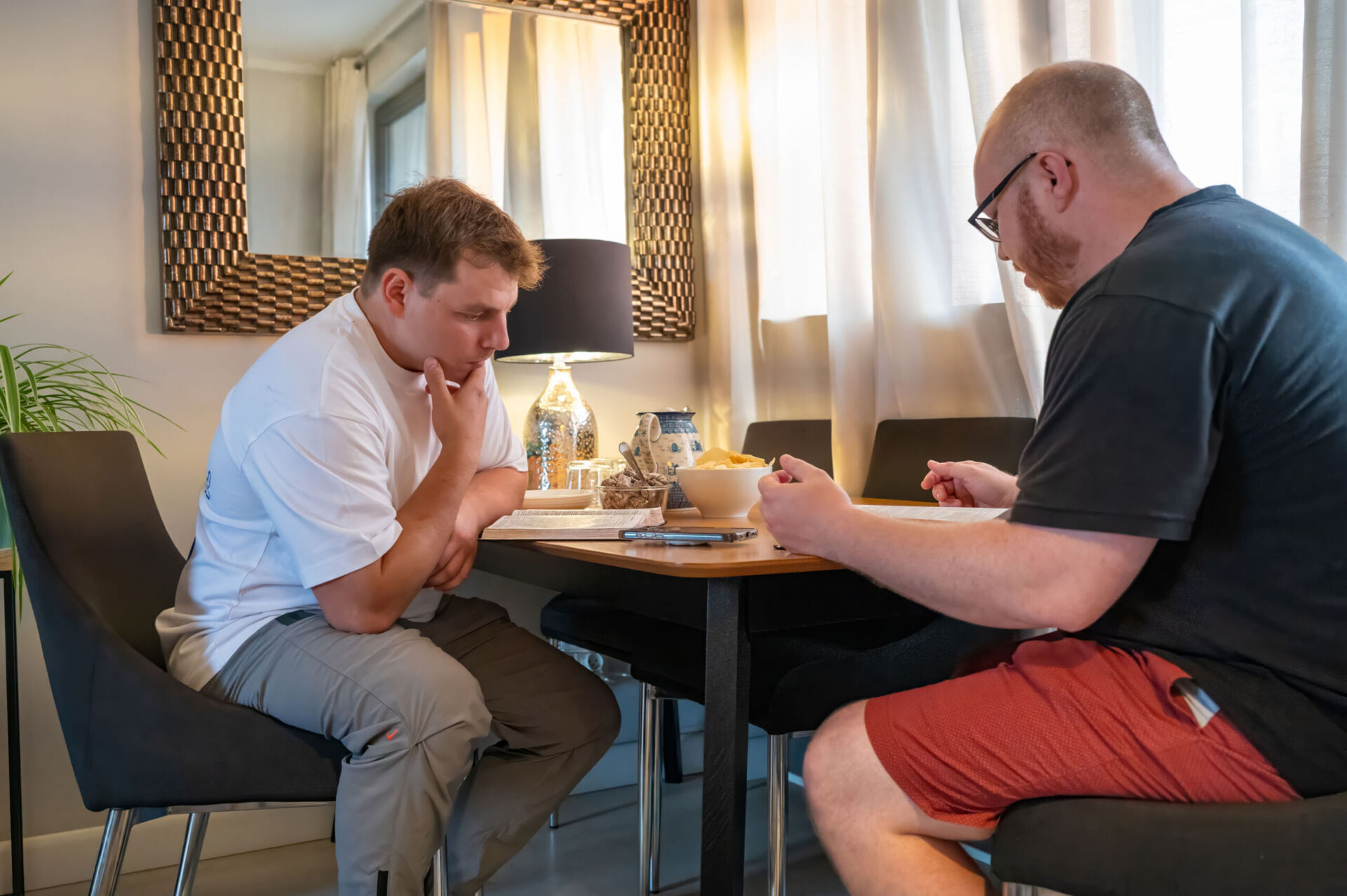
Pasha had first heard the gospel in a youth group in Ukraine. The week before he was to be baptized, his grandmother took her own life.
“During her funeral, I started swearing at God and shouting, ‘I don’t believe in your sacrifice. I don’t believe in a God who takes the most precious things from me,’” he said.
Pasha turned to a life of alcohol, theft, and street fighting. He took risks to drown out his unrelenting sense of conviction. When he turned 23, Russia invaded Ukraine and occupied his village. Without food or work, he reluctantly returned to the church. The pastor’s compassion drew him back to Christ.
He began traveling with the pastor to visit churches—even sharing the gospel with Russian soldiers at the checkpoints. One night, a Russian patrol detained Pasha. When they discovered church photos on his phone, they threw him into a basement, covered his head with a sack, and beat him. “You’re not going home. You’re as good as dead,” they said.
The commander came to interrogate him, but the line of questioning shifted unexpectedly.
“I told him that Christ is the Son of God who died for us,” Pasha said. The commander began asking in-depth questions about God and the gospel. He released Pasha the next morning .
“God showed me how powerful he is in my life—that he is willing to lead me through life-threatening circumstances simply so that I can share the gospel,” Pasha remarked.
“God showed me how powerful he is in my life—that he is willing to lead me through life-threatening circumstances simply so that I can share the gospel.”
Pasha, Ukrainian believer
Pasha fled to Gdansk in 2023 after Russian forces breached the Kakhovka Dam, flooding his home. The only possession he managed to save was his Bible.
Ron recognized Pasha’s passion for God and trained him to teach in the church, while Nick and Jill began discipling him. After focused training, he and another faithful man took over the Bible study. That freed the Toothmans to help lead a small Polish church plant in another city.
“When we moved here at the height of the Ukrainian crisis, people for the most part viewed themselves as victims,” Jill reflected. “Now, we see God working in their lives, and they’re realizing, ‘What’s happening in my country is terrible, but God has placed me here. So how am I going to serve him where he has me?’”
Meanwhile, Ron began preparing Vitali to lead another Bible study. Vitali came to Christ three years ago when believers in his hometown showed him the truth about Jesus—truth that had been hidden from him beneath the saints, rituals, and relics of Eastern Orthodoxy.
“God really touched his heart to become a leader and to teach,” Ron said. “I’ve had the opportunity to spend time mentoring him, working with him in his Christian walk, and helping him learn to develop sermons and to share his faith.”
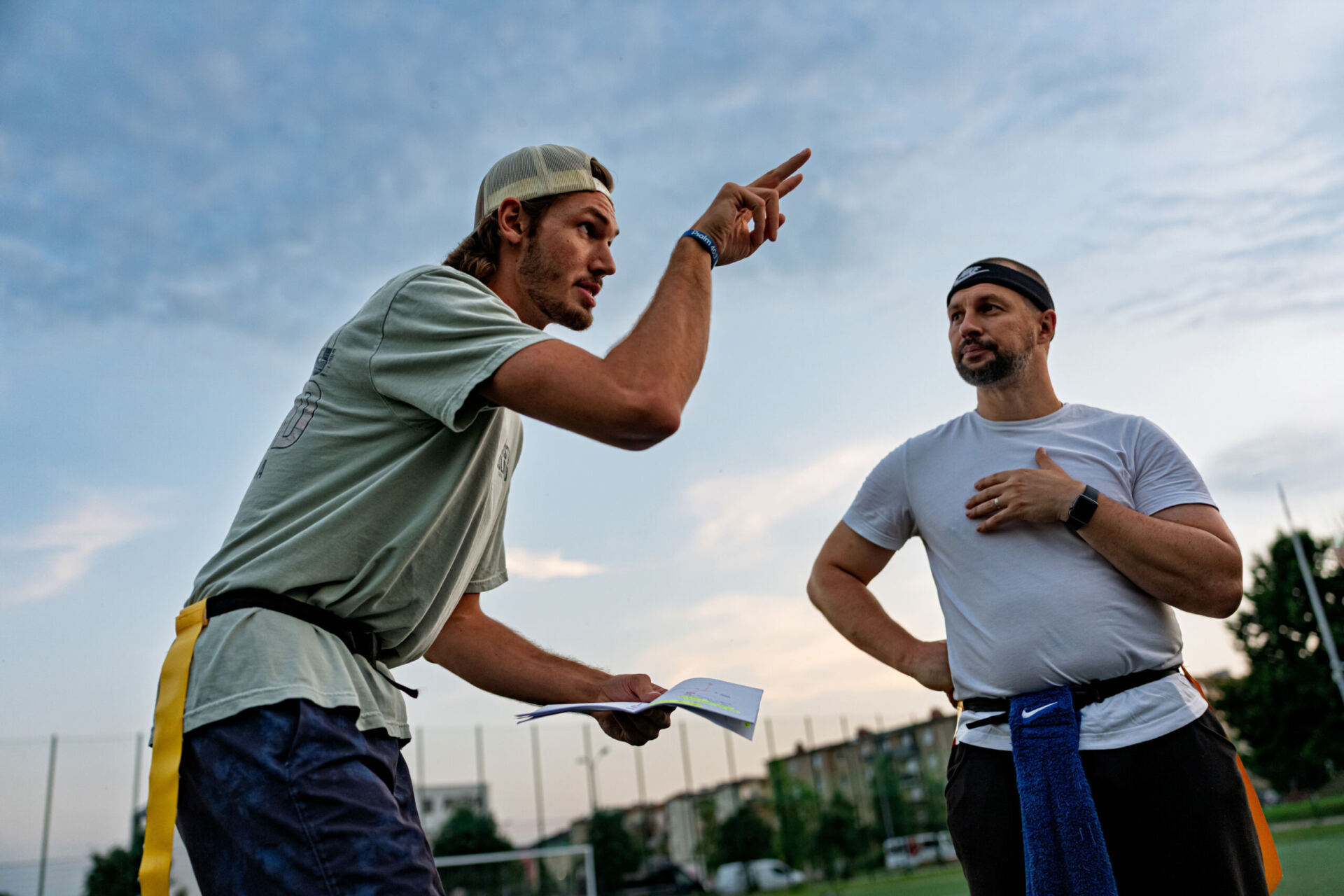
After a Bible study on evangelism, Vitali was inspired to form a flag football team to reach men in the community.
“When you play together as a team, you develop a sense of trust,” he explained. “In that setting, it becomes easier to discuss difficult topics.”
The football team has drawn several men from the community, and Vitali has seen their interest in the gospel grow.
To more fully equip local believers like these to reach their nation, Micah is working with Polish pastors to develop a training program to prepare others to plant, revitalize, or shepherd churches into the future.
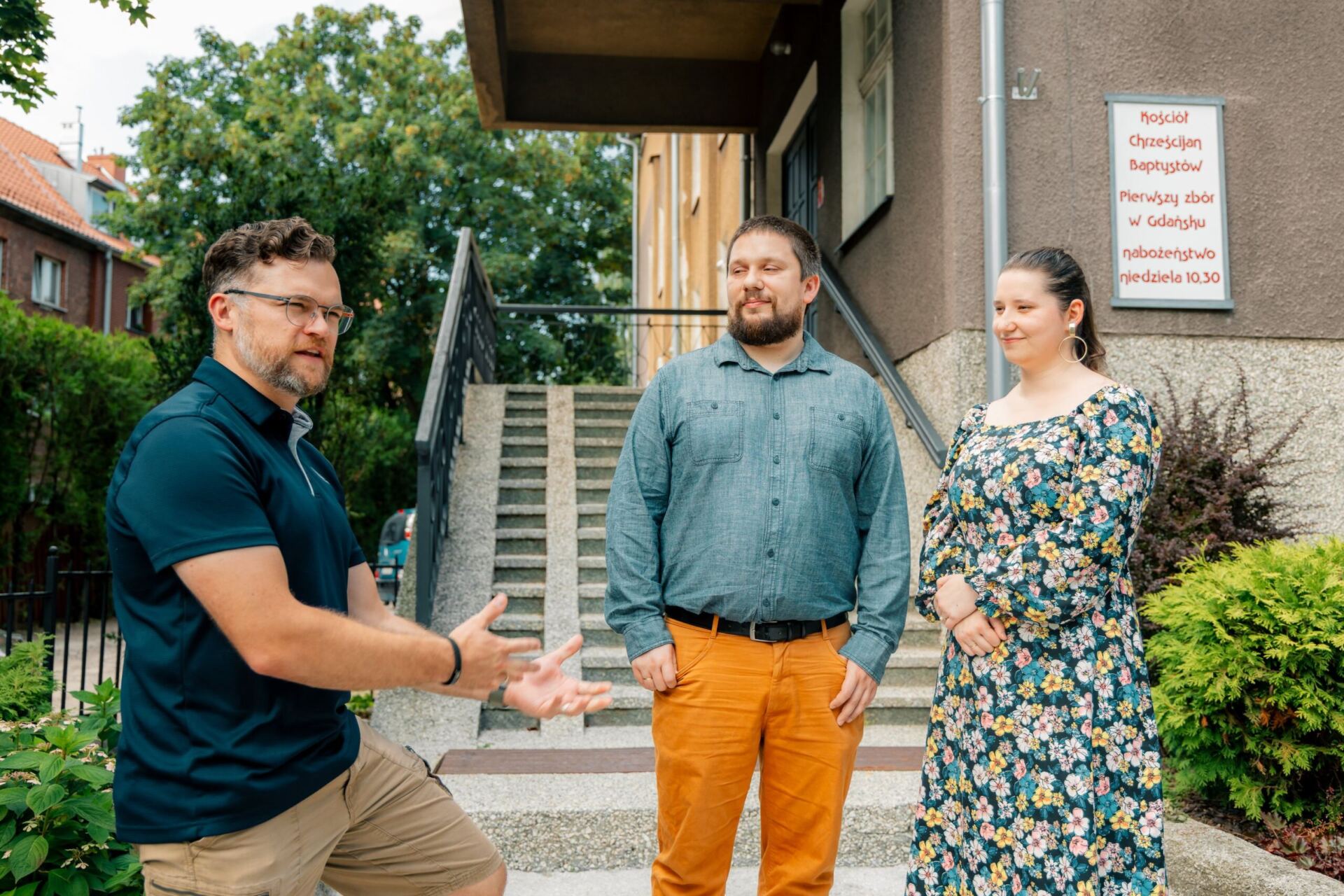
“Fifty percent of Polish churches don’t have a pastor,” said Konrad. “There is a great need but not enough opportunities to learn.”
The ABWE team itself is branching out to support church plants in Gdansk and the surrounding region.
The Heart of Europe
Person by person, God is working in Poland. He is drawing his people into his harvest field and uniting them in a new kind of solidarity—one that confronts Central Europe’s spiritual strongholds with the pure gospel of Jesus Christ.
“Poland is right at the heart of Europe,” said Ron. “If we could see a revival here, Poland would be an incredible platform to share the light of Christ in Europe.”
“Poland is right at the heart of Europe. If we could see a revival here, Poland would be an incredible platform to share the light of Christ in Europe.”
Ron Davis, ABWE missionary
Yet there is much to be done. Poland’s few believers and fewer missionaries cannot reach an entire nation alone. They need others to commit their lives to sowing seeds of the gospel, whether they fall on fertile or fallow soil.
“Even if our family goes through all this to come here, and the one person we’ve seen place their faith in Christ is the only person we ever see saved, it’s truly worth it,” said Micah. “We are praying that God will continue to produce fruit here in Poland as we follow him as a team.”