


Being a missionary means taking risks for the gospel.
Following Christ has always required courage, and Scripture makes it clear that believers should expect hardship. Yet biblical courage is not the same as unnecessary recklessness. Faithfulness means trusting God while also exercising the wisdom he provides. So how do missionaries accomplish such a balance, especially when serving in some of the world’s most dangerous places?
Answering this question lies at the heart of Bill Gruppen’s job. Bill serves as ABWE’s director of International Security and Crisis Management, a role that helps missionaries prepare for and endure crises in order to maintain long-term gospel ministry in the world’s most difficult places. He brings over 40 years of experience in emergency response, including firefighting, law enforcement, and security. In addition to this role, he has served with ABWE’s TACTICA Ministries, providing gospel-centered tactical and medical training for first responders throughout Central and South America, since 2014.
Preparation and Training
Proverbs 11:14 tells us, “Where there is no guidance, a people falls, but in an abundance of counselors there is safety.” How does Bill provide the necessary support to missionaries? For him, it boils down to one key.
“It became very evident that our word was ‘relationship,’” Bill said. “To partner with even the staff here at headquarters, but mostly with our missionaries in the field, we had to have a relationship. Nobody is going to take advice from me when I say, ‘It’s time for you to leave the country,’ if they’ve never talked to me before.”
Security, he explains, is most effective when it is rooted in trust rather than simply giving orders. Missionaries are far more likely to receive security guidance from someone who invests in them long before a crisis ever occurs. Instead of functioning as an outside authority who only appears during emergencies, Bill works to build ongoing partnerships with missionaries, field leaders, and ABWE’s international headquarters.
Building relationships shapes how new missionaries are trained from the very beginning. During orientation, Bill provides practical instruction on personal security.
“We really focus on situational awareness, building safety into their day-to-day operations,” Bill said. “How do you set up your home for safety?”
Even when making safety plans, Bill emphasizes cultural awareness. A home or ministry center that appears overly fortified may unintentionally discourage community members from visiting or create unnecessary barriers to building gospel relationships. The goal is to make missionaries safer while remaining welcoming.
Proper preparation and discernment become especially important when conflicts, natural disasters, or political instability threaten missionaries serving overseas. Bill continually monitors global intelligence sources while staying in regular contact with missionaries in the field.
“But one of my best sources for intelligence is them on the ground,” he said, referring to the missionaries. “They’re hearing and seeing everything that is going on as well.”
Their firsthand understanding of local conditions allows crucial security decisions to be based both on reliable intelligence and trusted sources physically present in those places.
Guiding Missionaries Through Crisis Situations
When difficulties arise, missionaries are not left to make decisions alone. Each missionary produces personal contingency plans with Bill’s guidance so that if evacuation becomes necessary, they have practical, well-rehearsed steps to follow. Still, every individual case requires careful discernment.
One specific Middle Eastern team had to do just that. Serving in a risking environment, a situation arose that warranted evacuating the country according to the team’s security plans. After evaluating the circumstances together, however, it was clear that the team felt it was best to stay, and leadership supported the decision. Because they stayed, their relationships deepened with national partners, local churches continued to grow, and gospel ministry became even stronger during a season of uncertainty. These stories demonstrate that biblical wisdom is not simply choosing safety or choosing danger. Rather, it is prayerfully considering how God is calling his people to serve in each unique situation.
Providing Disaster Relief
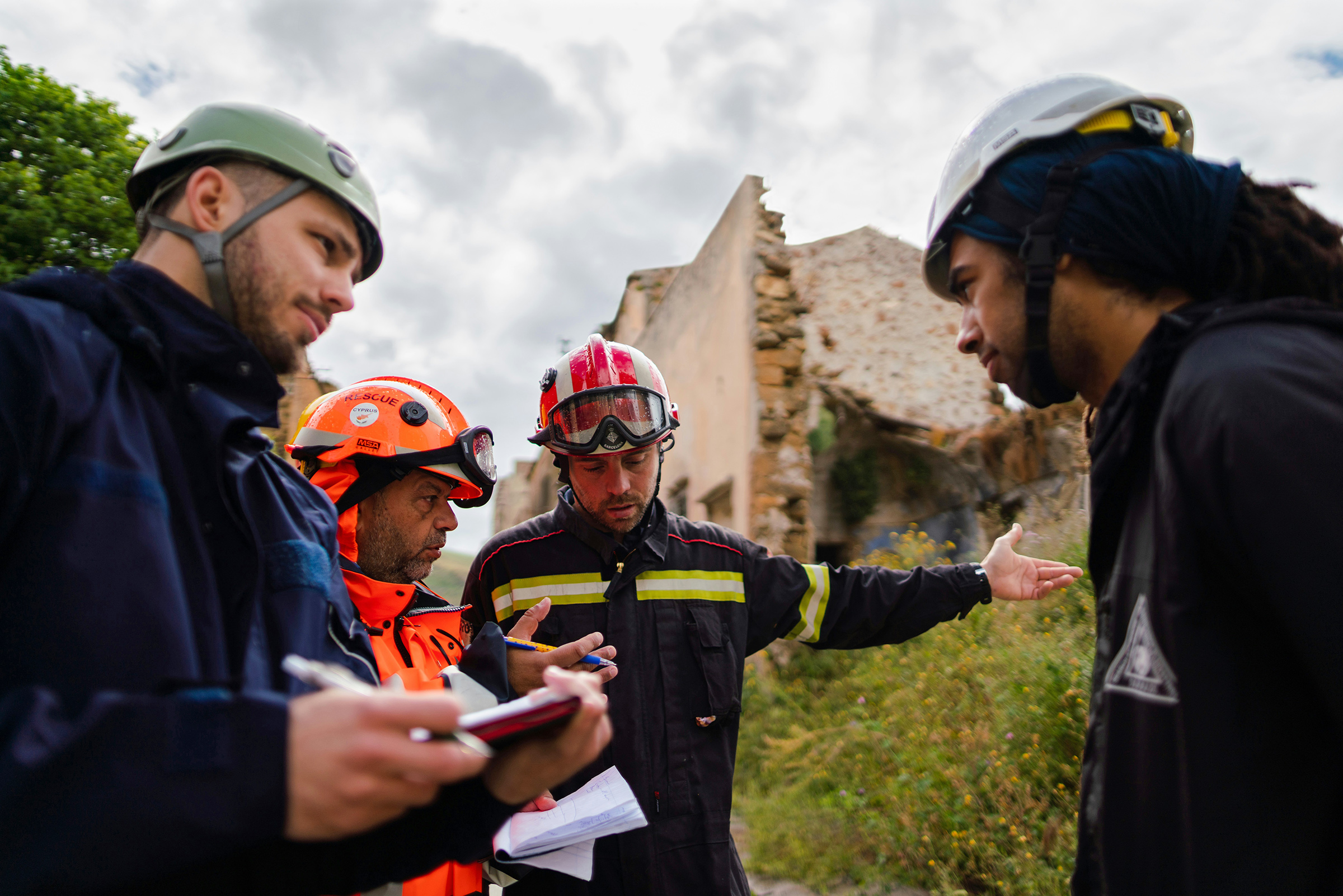
Bill reflected that crisis response involves far more than immediate relief. While many organizations respond to disasters for a short period of time before moving on, ABWE’s vision is to support the long-term work already taking place through local churches and missionaries. ABWE crisis response teams aim to deploy quickly, often within 72 hours, providing medical, security, and logistical assistance while serving alongside missionaries who already know the community. Those existing relationships create opportunities for lasting ministry long after emergency crews have departed.
One frequently overlooked aspect of emergency response includes being present for others in times of need. In moments of tragedy, ministry often consists of simply showing that you truly care for those affected: sitting with grieving families, listening to their stories, praying with them, and pointing them to the hope of the gospel. These moments of suffering frequently open doors for long-term discipleship.
Missionary work will always involve risk, but the goal is never to pursue danger for its own sake. Instead, faithful missionaries prepare thoroughly so they can continue serving where God has called them for as long as possible. Through wise planning, strong relationships, and compassionate crisis response, missionaries can remain faithful witnesses in difficult places while strengthening long-term gospel ministry.
As you pray for missionaries serving under pressure around the world, also remember those who work behind the scenes to equip and care for them. If God is calling you to this ministry, ABWE has several opportunities available to serve missionaries alongside Bill’s team, whether by helping missionaries with readiness training, serving as an emergency responder to meet urgent needs, or walking with churches and communities affected by crises.