


Asuka gasped, startled awake by an evil presence filling her room, crushing her chest.
The darkness intensified; the demons that oppressed her elderly grandmother were roaming the house.
Asuka’s Shinto and Buddhist beliefs offered explanation—claiming Japan as “the land of 8 million gods”—but no relief. Only what she had read in the Bible gave her hope for overcoming the spirits.
Ten years earlier, Asuka had listened to Bach’s St. Matthew Passion, renowned for its chorale “O Sacred Head, Now Wounded.”
What a wonderful piece of music, she marveled. I wonder whom it’s about. Discovering that the lyrics portrayed the death and burial of Jesus Christ, she found a Bible and, enthralled, read from Genesis to Revelation—repeatedly. After a decade of reading alone, she contacted the only evangelical church in her city, Izumi, to ask if they hosted any Bible studies.
“Of course,” responded ABWE missionary Bill Petite. He and his wife, Becky, planned to offer an evangelistic Bible study alongside a young Japanese pastor, Hiroki Minamida, and his wife, Junko, whom he was training to assume leadership of the church plant. “We wanted to teach them to lead it, and the Lord brought us four people interested in the gospel to do it with,” Bill explained.
Asuka excitedly attended each Bible study, designed to introduce the gospel to a Japanese worldview without any prior biblical knowledge. When they reached the final lesson, Becky asked Asuka if she believed what she had heard.
“I think I should tell you a story,” Asuka replied. One night after visiting her grandmother, she felt a demonic presence in her room. Terrified, Asuka confronted the demons with what she thought the Bible taught: “In the name of God the Father, depart!”
Nothing changed. The darkness pressed in harder.
“All of a sudden, a light flooded my heart,” she related. “I realized, this is my real sin: I’ve been trying to go to the Father on my own. But he says, ‘No one comes to the Father but through the Son.’”
She cried out, “In the name of Jesus Christ, depart!”—and the demons fled.
A Church in Crisis
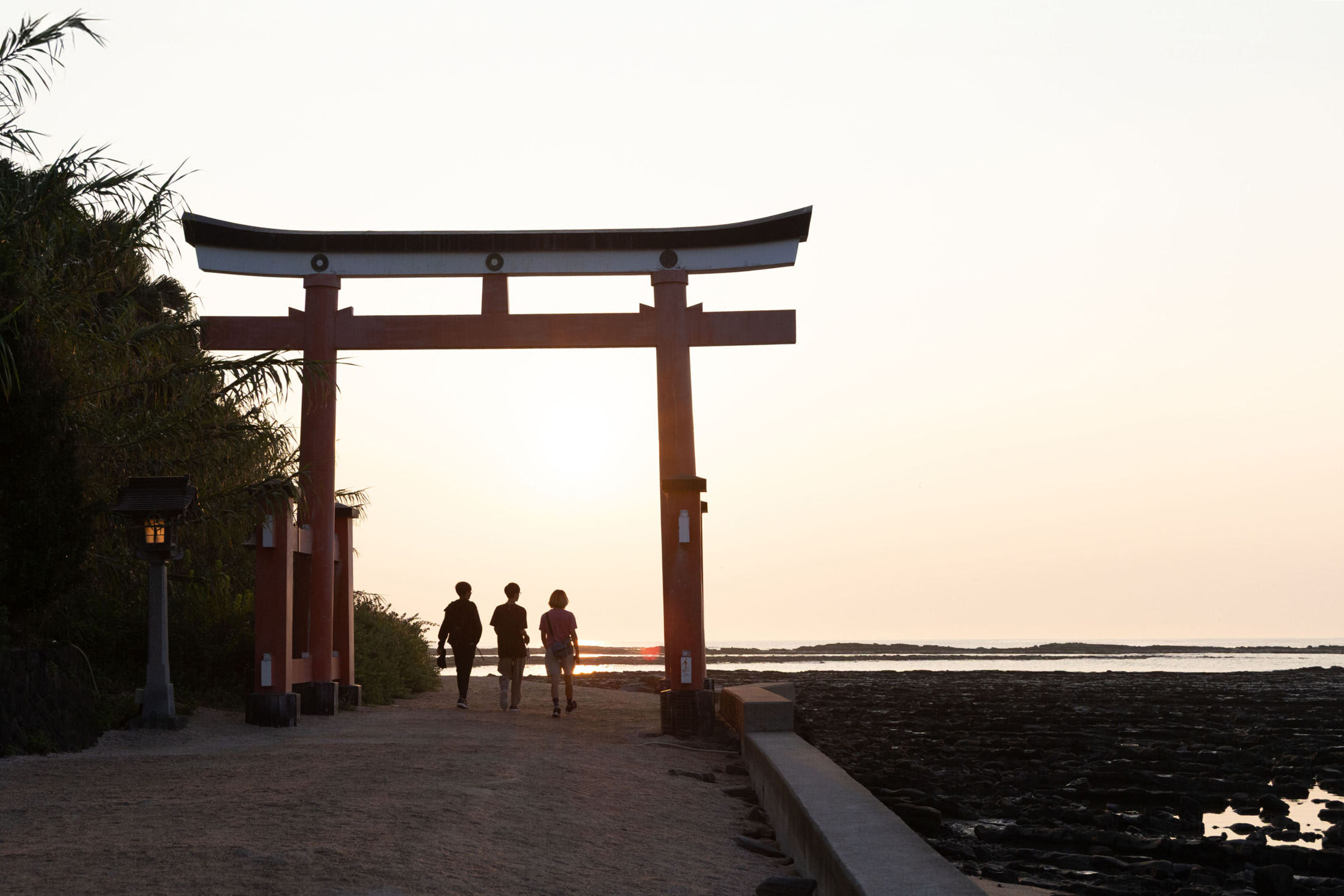
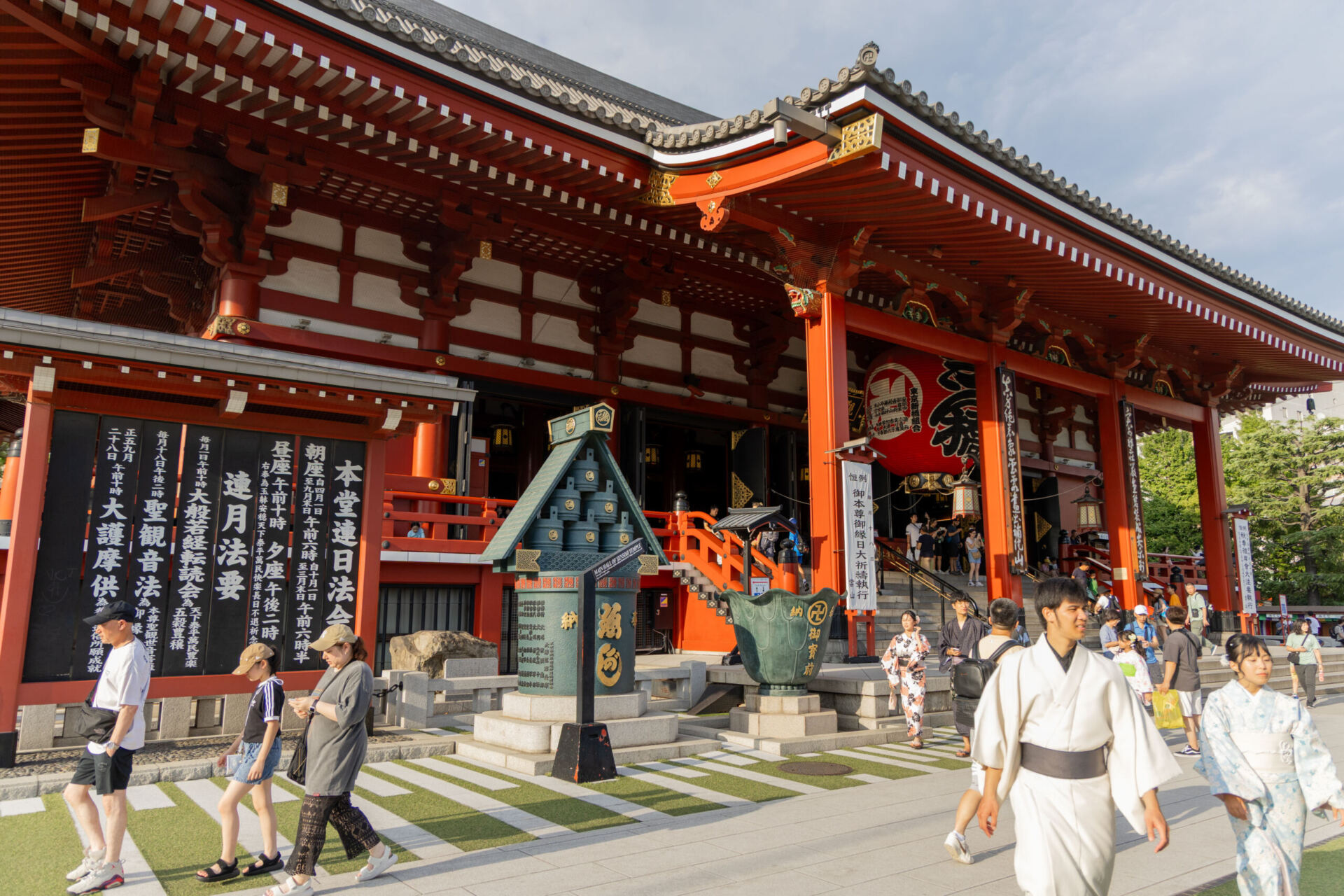
In the shadow of skyscrapers and shrines, scores of office workers, students, and laborers stream out of train stations every morning and hurry along tree-lined streets. Order and efficiency rule; respect and social harmony guide interactions. Yet the cultural values that have long fascinated the West conceal a sobering reality.
“Japan is a beautiful country, and it’s very popular right now,” shared ABWE missionary Katie Madara. “You see all these videos of this perfect country and these perfect people, the neon lights and the cute characters, but there’s sin and darkness here, just like everywhere else.”
Missiologists often dub Japan the “graveyard of missionaries,” not only for the brutal persecution instituted during its 250-year isolationist period, which prohibited both foreign trade and the Christianity carried to its shores by Jesuit priests, but for the modern resistance to the gospel that often leaves missionaries’ vision and plans buried fruitless in hard soil. Japanese national identity is based, in part, on conformity to traditional Shinto and Buddhist beliefs.
Today, the Japanese remain the world’s second-largest unreached people group. Believers account for less than 0.5 percent of the population, the Joshua Project estimates—a number that has not much changed for 500 years.
Today, the Japanese remain the world’s second-largest unreached people group. Believers account for less than 0.5 percent of the population, the Joshua Project estimates—a number that has not much changed for 500 years.
Meanwhile, the Japanese church is fighting for survival.
“The average church has only about 30 members,” explained ABWE missionary Ray Kwan. “The church is small, and it’s aging. About 70 percent of pastors are retirement age with no successor. The next generation needs to be raised up, or in 10-15 years, there will be a lot of churches with no pastor.”
With few people and fewer leaders, believers in Japan are asking: how can the church endure?
Missionaries and Japanese believers take direction from the Great Commission (Matthew 28:18–20). They go, make disciples, baptize them in the context of local churches, and teach them to observe Christ’s commands—including his command to go and share their faith with others.
“We encourage the Japanese church to be disciple makers, to really be investing in people and training everyone to be a disciple maker,” added veteran ABWE missionary Norman Smith. “That’s where future pastors will come from, as they embrace the mission of Jesus and recognize they have gifts that the church needs.”
Finding Ears to Hear
This vision for establishing the Japanese church led ABWE’s first missionary team to an unexpected audience. Voyaging by freighter in 1955, Paul and Vada Shook arrived in Kyushu, the southernmost of Japan’s four main islands, to streets still cratered from Allied air raids and to upheaval in their own family. Just before their departure for the field, they had discovered that one of their toddler twin sons was deaf.
After heartbroken prayer and counsel, they continued to Japan and began church planting in the city of Kagoshima, where, providentially, they found the nation’s largest school for the deaf at that time. As the family learned sign language, the Lord brought contacts with deaf believers desperate for fellowship, and their focus shifted to discipling and training them for ministry. They quickly noticed that many of Japan’s deaf demonstrated ears for hearing the gospel that other Japanese did not, and the body of believers grew. Two brothers they discipled went on to establish deaf churches in Kagoshima and Sasebo, which, by 1988, had flourished into a network of 13 churches and a Bible training school for the deaf, where Paul taught alongside Japanese partners.
The Shooks’ legacy impacted generations. When another man influenced through Paul’s discipleship ministry, Masahiro Minamida, was appointed pastor of Tokyo Deaf Baptist Church, the Shooks’ son-in-law, Bill Petite—who returned to Japan with his wife, Becky, as ABWE missionaries in 1990—preached at his ordination. Pastor Minamida’s young sons observed from the audience. As the boys grew older and attended college in North America, they both grew burdened to reach the hearing in their nation with biblical truth.
“In Japan, every locality, every area, has its own god,” explained Kohki Minamida. “Some localities might treat the wind or the sea or the sun as gods. So even if you bring Jesus Christ and his gospel to Japan, people might think of Christ as simply a deity or a god from another locality. So what people need to understand, and what we need to teach them, is that our God is three in one—Father, Son, and Holy Spirit—our God is the Lord, and he rules over the entire universe. But a lot of people have never heard this truth yet.”
Their Christian upbringing, a rare blessing in Japan, inspired both Kohki and his younger brother, Hiroki, to obtain theological training in Tokyo and pursue ministry in local churches.
“My father opened the Bible every day; he looked at the Word and studied the Word,” Kohki observed. “He sacrificed so much of his life to serve the church. And I saw my dad’s example and began to think that I wanted to do that as well.”
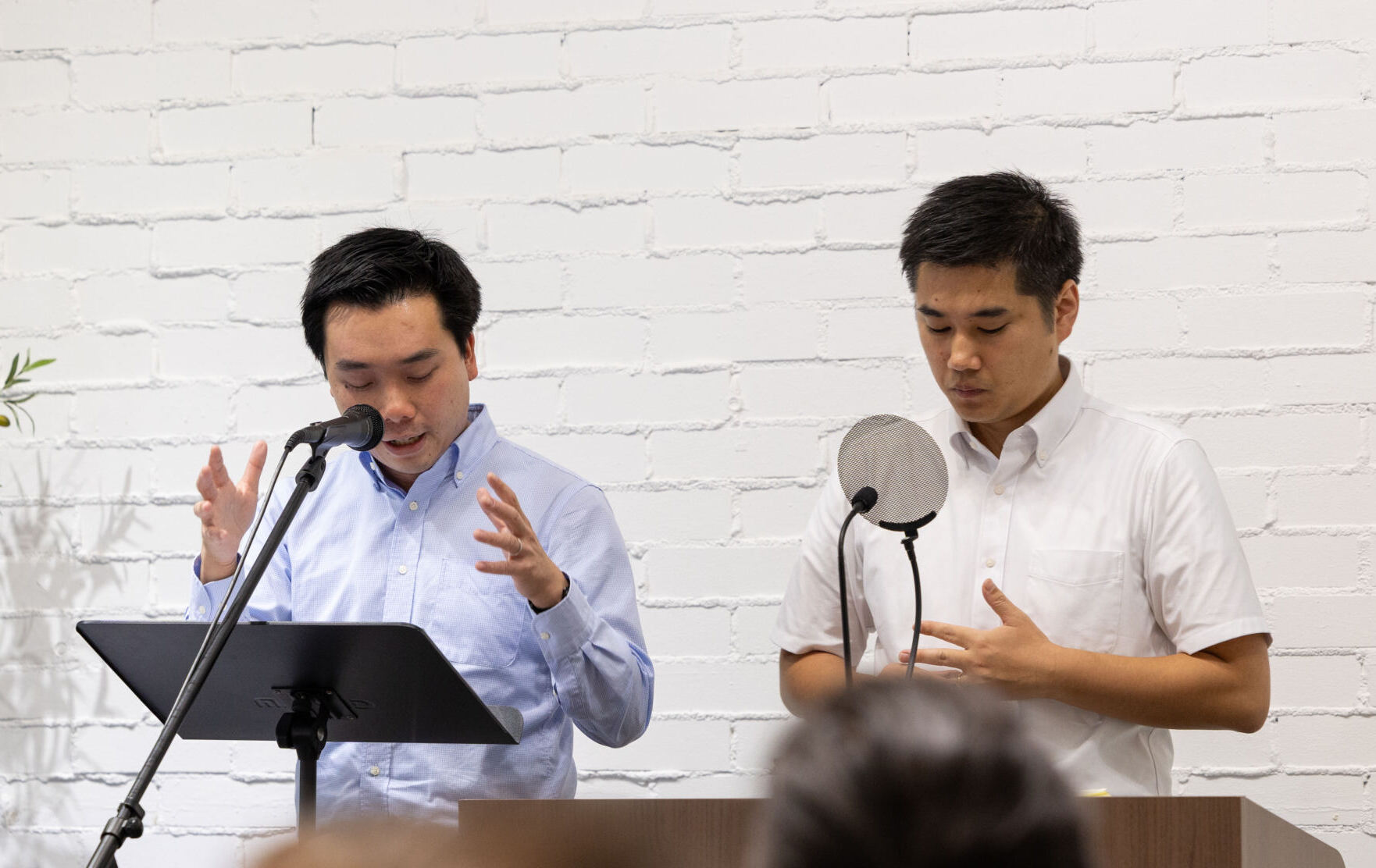
Today, Kohki serves alongside ABWE missionary Ray Kwan in Tokyo, while Hiroki has joined Bill in ministry to pastor the Petites’ church plant in Izumi. Both men are being discipled, mentored, and trained by ABWE missionaries. Both faithfully continue the legacy of discipleship in their own congregations.
“The most important indicator . . . is not how the number of people increases, but how many of those who are saved are now growing and developing in spiritual maturity,” said Hiroki. “We must reveal the glory of God and the glory of Christ.”
The 24/7 Church
As the growing ABWE team followed Christ and his commission into new cities in Kyushu, they encountered additional cultural challenges. In Miyakonojo, missionaries Chris and Donna Sadowitz noticed that attendance in their church plant fluctuated as the members’ long, varying work hours prohibited them from consistently attending Sunday services. Simultaneously, the Sadowitzes became convicted that the church, as the living body of Christ, should be fully integrated into daily life.
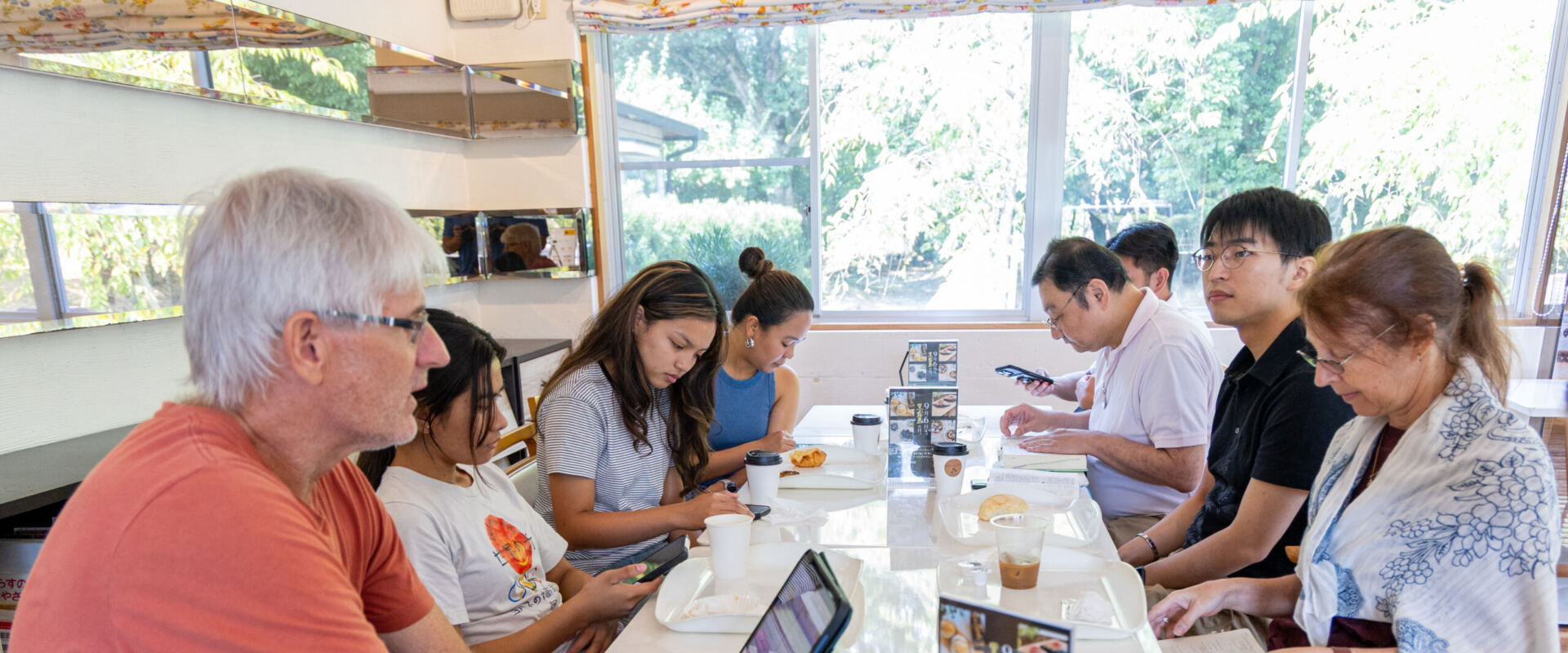
“We think of the church as a 24/7 kind of operation,” explained Chris. They began holding decentralized midweek meetings focused on prayer, Bible study, and encouragement in evangelism. Any church member is welcome to request a meeting at a given time or place, gathering all those available: one morning in a café, an evening in someone’s home, or an afternoon near a local waterfall.
“As our group was growing in their Christian walk and they were realizing their own spiritual gifts, we encouraged them to take leadership of the prayer meetings,” added Donna.
The congregation’s emphasis on prayer revolutionized their relationships with unbelievers. Several Filipino young adults, employed as caregivers in Japanese nursing homes, followed God’s leading to share the gospel with their Japanese coworkers, leading five Japanese healthcare workers to attend church services within the last year. The Sadowitzes encourage church members to invite their unsaved contacts to prayer meetings, noting the communal nature of Japanese culture.
“Western thought often separates evangelism from discipleship. But if you look at discipleship as a whole process, then including people can be one of the ways that Japanese can see the reality of Christianity, not just mental facts. . . . They can see what the community of believers is like, and they can experience the love of Christ,” said Chris.
Often, it takes years of hearing the gospel before a Japanese person is ready to place his or her faith in Christ. Yuria, a 19-year-old college student, first met Chris and Donna as a shy, struggling middle school student. Despite her success as a judoka, she became deeply depressed due to bullying. Her mother, at a loss, mentioned her concerns to a coworker, who recalled how the Sadowitzes’ church had helped her own son through depression in 2017 after the death of his father.
The two mothers brought Yuria to the Sadowitzes’ home and requested that they teach her English. During their first lesson, an evangelistic Bible study, she would not utter a word. Nor did she speak during the second meeting—or for the first month. Yet, she returned each Friday evening for a year and a half and even attended Sunday church services.
“Darlyn, one of our Filipina young ladies, began to spend time with her one-on-one. Friends often disciple friends much better,” shared Chris.
Gradually, Yuria recognized her own sin and need for a Savior—a difficult concept for many Japanese to accept, as the word for “sin” in Japanese also means “crime.” She placed her faith in Christ and was baptized in summer 2025.
“She is growing in her faith,” reported Chris. “Being the first Christian in her very traditional Japanese family, she is receiving some resistance from her grandparents, but she hasn’t given up.”
He continued: “God orchestrates all these interactions, and our challenge is to be ready when his call comes.”
“God orchestrates all these interactions, and our challenge is to be ready when his call comes.”
Chris Sadowitz, ABWE missionary
Reaching the Heart of Tokyo
Dovetailing with the faithful ministry of these ABWE church planters and many others in the verdant regions of Kyushu, ABWE launched the Open Initiative to deploy a new generation of gospel workers to one of the world’s largest cities: Tokyo.
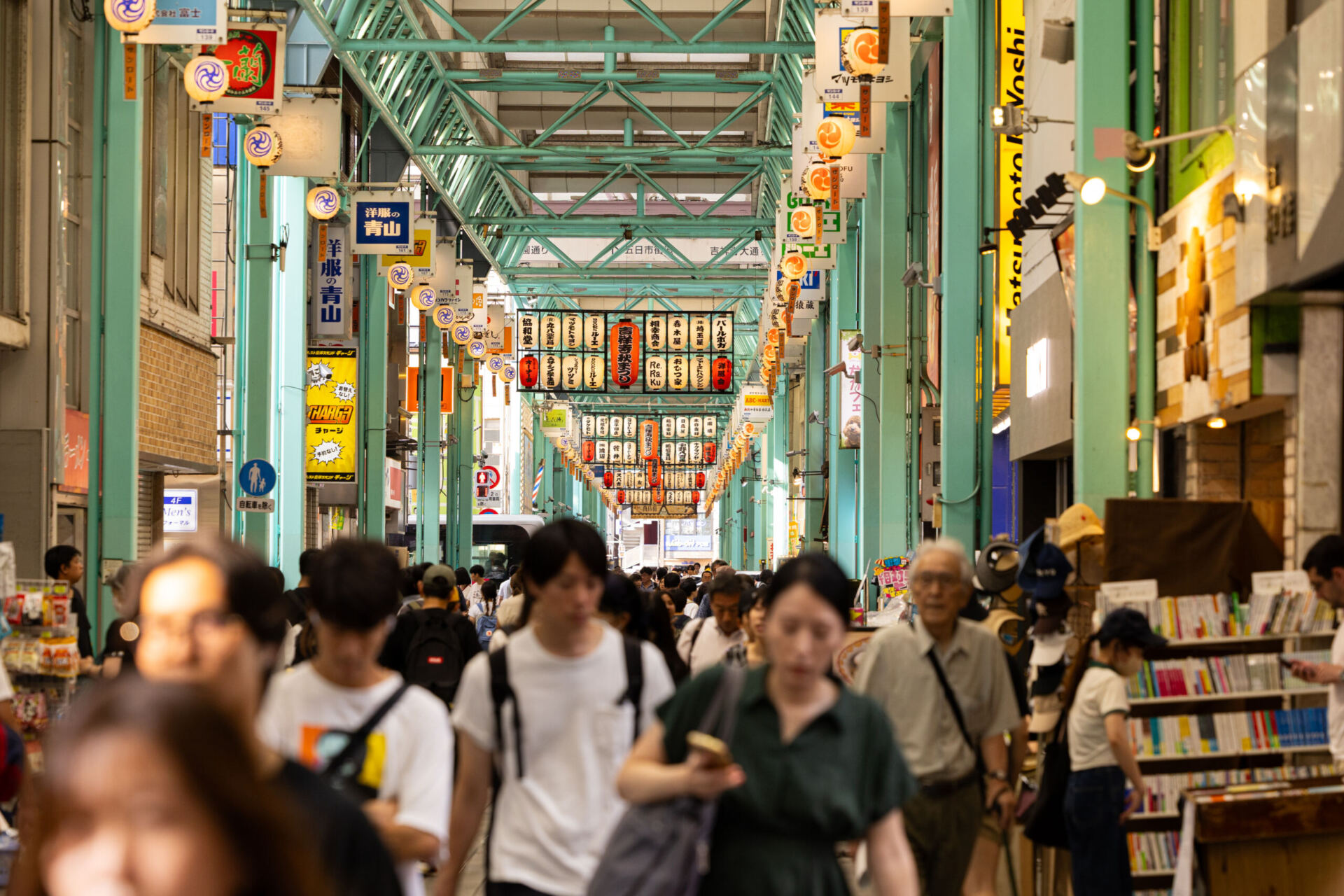
“Tokyo is a different place,” said Ray Kwan, who inaugurated ABWE ministry in Tokyo with his wife, Shelley, in 2019. “It’s very densely populated. Life is fast paced. A lot of people walk by each other and don’t think twice about who they just walked by.”
Here, Ray observes a critical need not only to evangelize the lost but to train believers in sound doctrine to prevent unbiblical aspects of the Japanese worldview from creeping into the church as syncretism. This goal forms the foundation of the Kwans’ twin ministries: Megumi Bible Church and the Japan Bible Academy (JBA).
Alongside a core of Japanese believers, the Kwans planted Megumi Bible Church in April 2019 amid the high-rises of downtown Tokyo. “We wanted to have a biblical church in the middle of Tokyo, one that was really centered around the teaching of God’s Word,” he explained.
Every Sunday, Japanese and international believers joyfully linger through worship services and Bible studies that continue throughout the day. To ensure greater spiritual growth and witness, Ray is training men to be elders and deacons, who will, in turn, disciple others in the congregation.
Two of these future leaders are Kohki Minamida and Jonathan Yeung, whom Ray also mentors as JBA staff members: Kohki serves as dean of students and theology professor, while Jonathan manages translation projects for theological resources and teaches biblical and church history. JBA aims to help fill the void of future pastors in Japan through offering online courses in theology and ministry to pastors and lay leaders.
“We teach our classes in Japanese, which is unique because it’s really hard to find good biblical teaching in Japanese,” Ray shared. “We’re preparing future generations of the church.”

Resurrection in the Graveyard
Sitting around the table in Izumi, Becky Petite listened, amazed, as Asuka related her account of dispelling the demons. When she finished speaking, Becky clarified, “So are you saying that you believe in Jesus, that he died on the cross for your sins, and that trusting in him is what saves you?”
Asuka nodded, smiling. “What else would I believe? That’s what the Bible says.”
Asuka was baptized on Easter Sunday 2025—the first baptism that Hiroki conducted as pastor of Izumi Living Hope Baptist Church.
“The Lord prepared the way for these things in his timing,” Bill said. Despite the difficulties, he explained, the Lord is faithfully calling both new believers and new pastors to the Japanese church.
New rays of resurrection glory are dawning in the graveyard of missionaries.
“Why would someone become a missionary in Japan, knowing that it’s going to be hard?” pondered missionary Joel Diffenderfer, who recently moved with his family to Tokyo. “God hasn’t promised us success in terms of ministry, but he has called us to share who he is, and he has promised that he will make himself known and great among every nation, tribe, and tongue. Jesus is worth it.”
“Why would someone become a missionary in Japan, knowing that it’s going to be hard? God hasn’t promised us success in terms of ministry, but he has called us to share who he is, and he has promised that he will make himself known and great among every nation, tribe,
Joel Diffenderfer, ABWE missionary
and tongue. Jesus is worth it.”

Meet the Japanese believers who are breaking through centuries-old barriers to the gospel. See how God is using ABWE missionaries and local churches to confront cultural strongholds and establish Christ’s church in Japan.
Editor’s Note: Asuka’s name has been changed for security.