


There is a specific kind of magic that happens when you step onto the streets of Phnom Penh, Cambodia.
On a recent visit to ministries in Southeast Asia, I tried to capture it by dictating my immediate thoughts into my phone, trying to bottle up the noise, the smells, and the beautiful chaos before they faded in my memory. Looking back at those messy notes, they paint a beautiful, gritty, messy picture of a place where old and new do not just coexist but collide daily.
But beneath the surface of the traffic and the noise, there was a deeper heartbeat calling for reflection.
The Cacophony of the Street
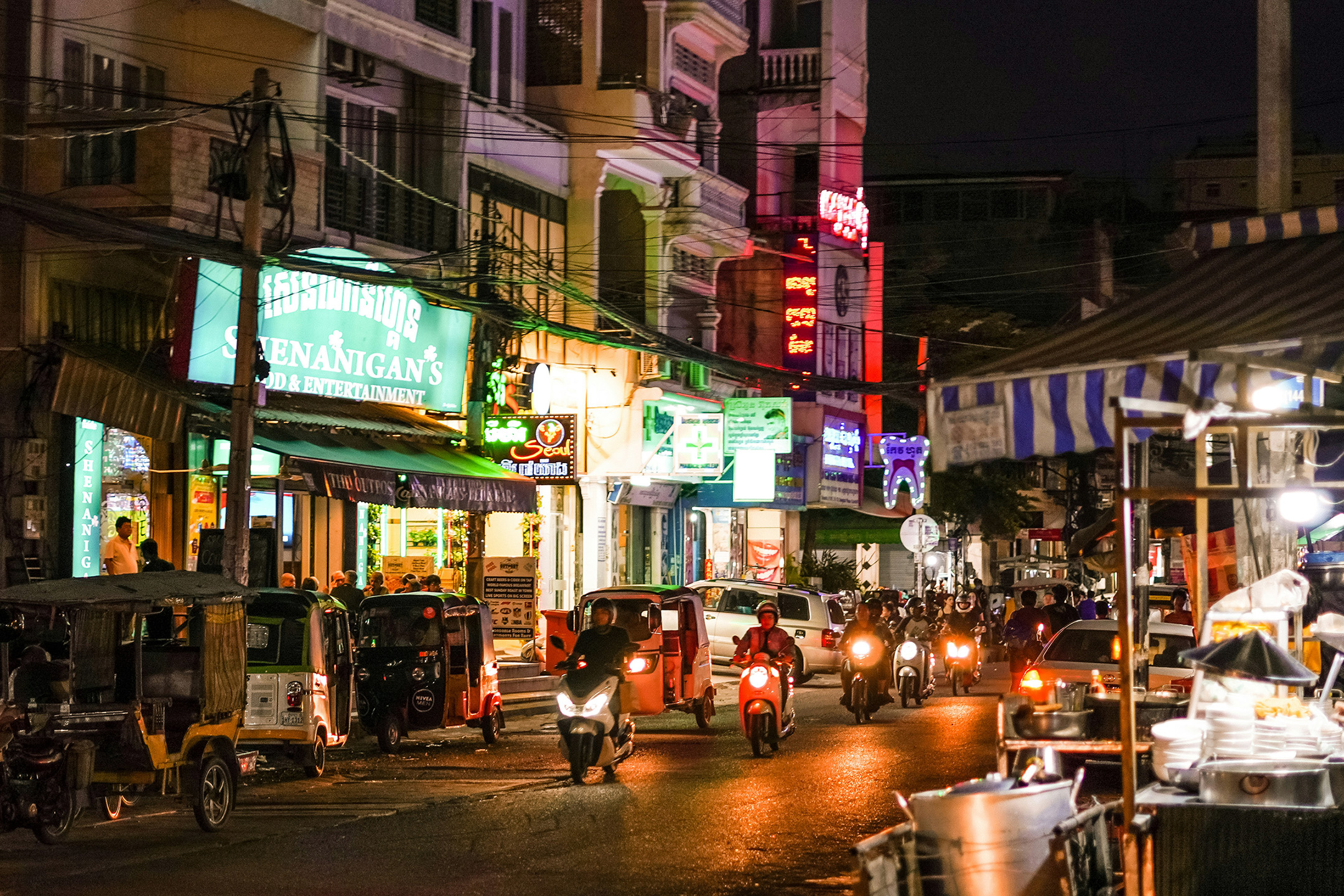
The streets here are narrow, a tight squeeze between vendors who set up shop on the roadsides, filling every available inch along the pavement. As you move through them, the heavy, rich smell of woodsmoke and roadside barbecue fills the air.
You are often trapped in a dense crowd of tuk-tuks, which are constantly crowding the scooters, which in turn crowd the pedestrians. Every now and then, a car or truck pushes its way through the sea of two- and three-wheeled traffic.
Through it all, you hear a regular, rhythmic “beep-beep.” Someone told me that the horn in Cambodia is not used the same way that we use the horn in America. It is not fueled by road rage, impatience, or anger. It is more of a pleasant, conversational warning—a polite little “Hey, just so you know, I’m here, and I’m coming through.”
Faith in the Chaos
Old meets new on almost every single block. Modern skyscrapers tower over ancient traditions, while older buildings still carry the rusted razor wire left behind by the sad history of Cambodia’s recent past. It is hard to look at those walls and not think of the Pol Pot scar—a dark, heavy winter of the soul that fractured this nation. As a result of the genocide enacted by this brutal, communist dictator in the 1970s, a quarter of Cambodia’s population was killed by execution, forced labor, or starvation. Yet under the quiet sovereignty of God, a people who survived such immense brokenness now carry a unique kind of resilience into the daily grind.
You see an example of this resilience and survival in how people move. Pedestrians scurry across the road with a strange kind of faith; they just seem to know the cars will stop for them—hopefully.
There’s just enough risk involved in a simple street crossing to make everyday life feel a little bit interesting. It requires surrendering control. In a way, it mirrors the walk of faith. We step out into a chaotic world, unable to control the moving pieces around us, forced to rely on a trust that goes beyond what our eyes can see.
When the traffic gets too overwhelming, you can look toward the lazy Tonle Sap River meandering right through the heart of the city. It feels like a slow, steady reminder of a peace completely unbothered by the frantic rushing of the world. Interestingly, I was told that during the rainy season, the massive flow of the Mekong forces the Tonle Sap to reverse its course and flow backwards toward its origin. It is a strange, unique design—a reminder that God is in control, and even the natural world here moves on a rhythm entirely its own.
Read part two for a look at how the rhythm of these streets completely changed how I view my tendency to negotiate with God, and what it truly means to abide in him.