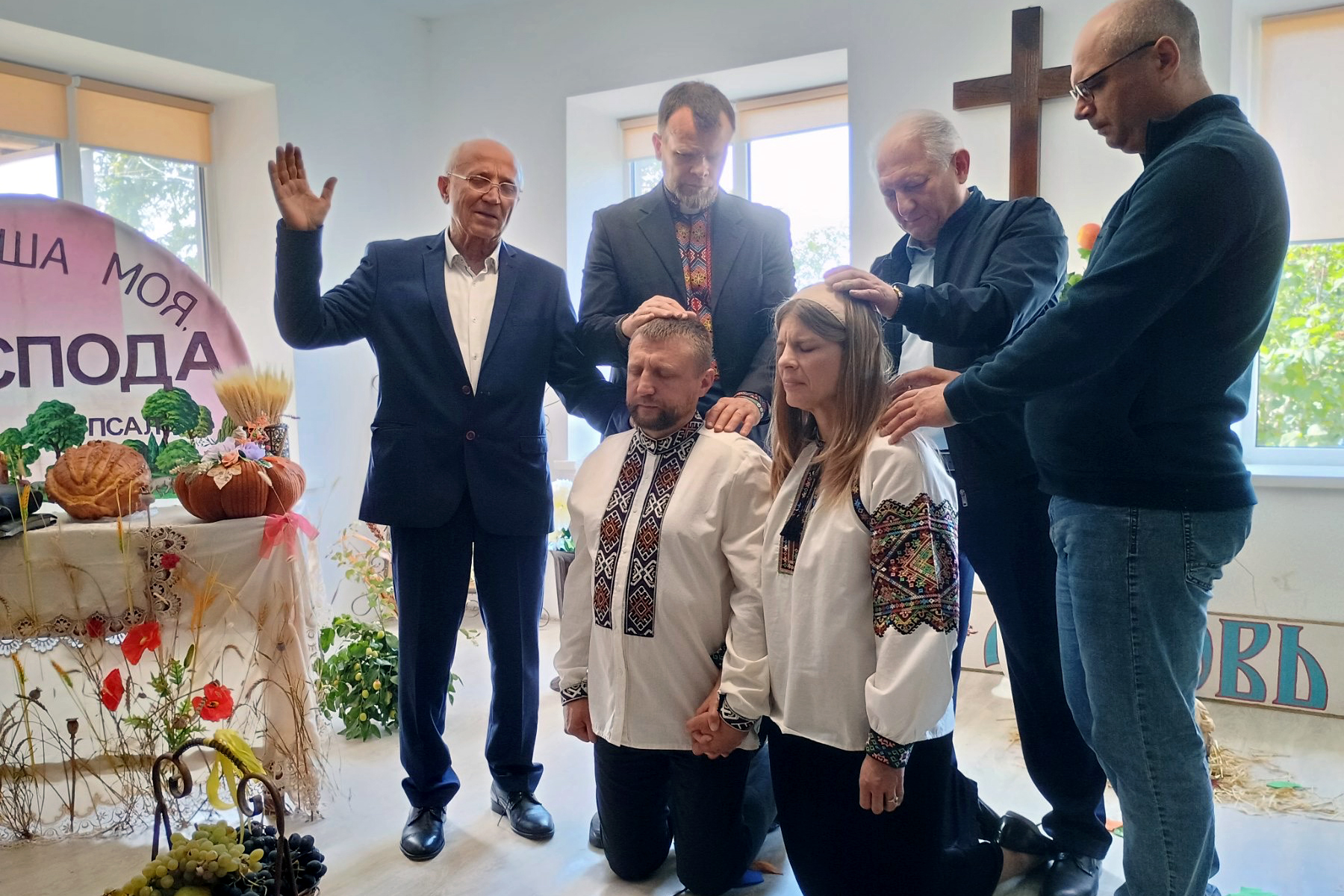


Holly (Friesen) Suvorova, a family nurse practitioner, has served through numerous medical, pro-life, and local church ministries in Ukraine since 2010.
The challenges and joys of daily ministry shifted dramatically, however, with the full-scale invasion of Ukraine in 2022. Now, she uses her ministries to share the hope of Christ with unbelievers and believers alike as they live with the constant stress, fear, and trauma of war.
Through God’s grace, Holly’s life changed again in June 2026 when she married a Ukrainian pastor. She describes how God continues to use them to serve Ukrainians during this time of crisis.
1. Where do you serve, and what does ministry look like in your context?
I serve in Odesa, Ukraine. My husband and I also help a church in the Mykolaiv region, almost three hours from Odesa. We are involved with church planting and medical ministry.
I serve as the president of Choose Life, a pro-life ministry in Odesa. The pregnant women who come into our center are often in very difficult situations due to the suffering economy and the impact of the war, and we offer Christ-centered counseling, resources, and practical support for their families.
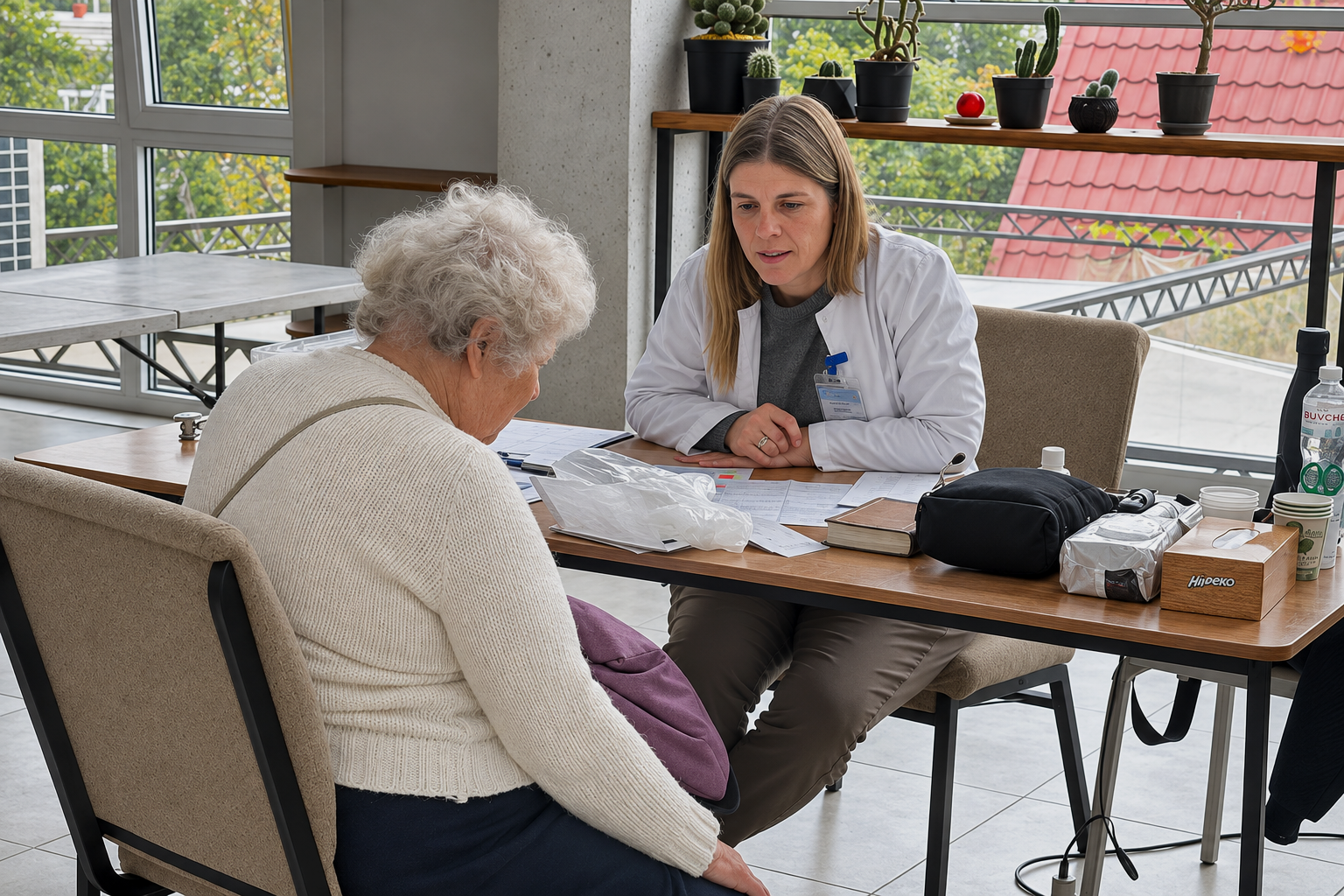
I am also involved with the Ukrainian Christian Medical Association and serve as a family nurse practitioner in their mobile clinics to front-line areas or towns with many displaced people. A shortage of medical personnel in the more dangerous areas has led to many untreated conditions, and we find that many medical needs are caused or exacerbated by the stress of war. This also opens up many opportunities to share the hope of the gospel.
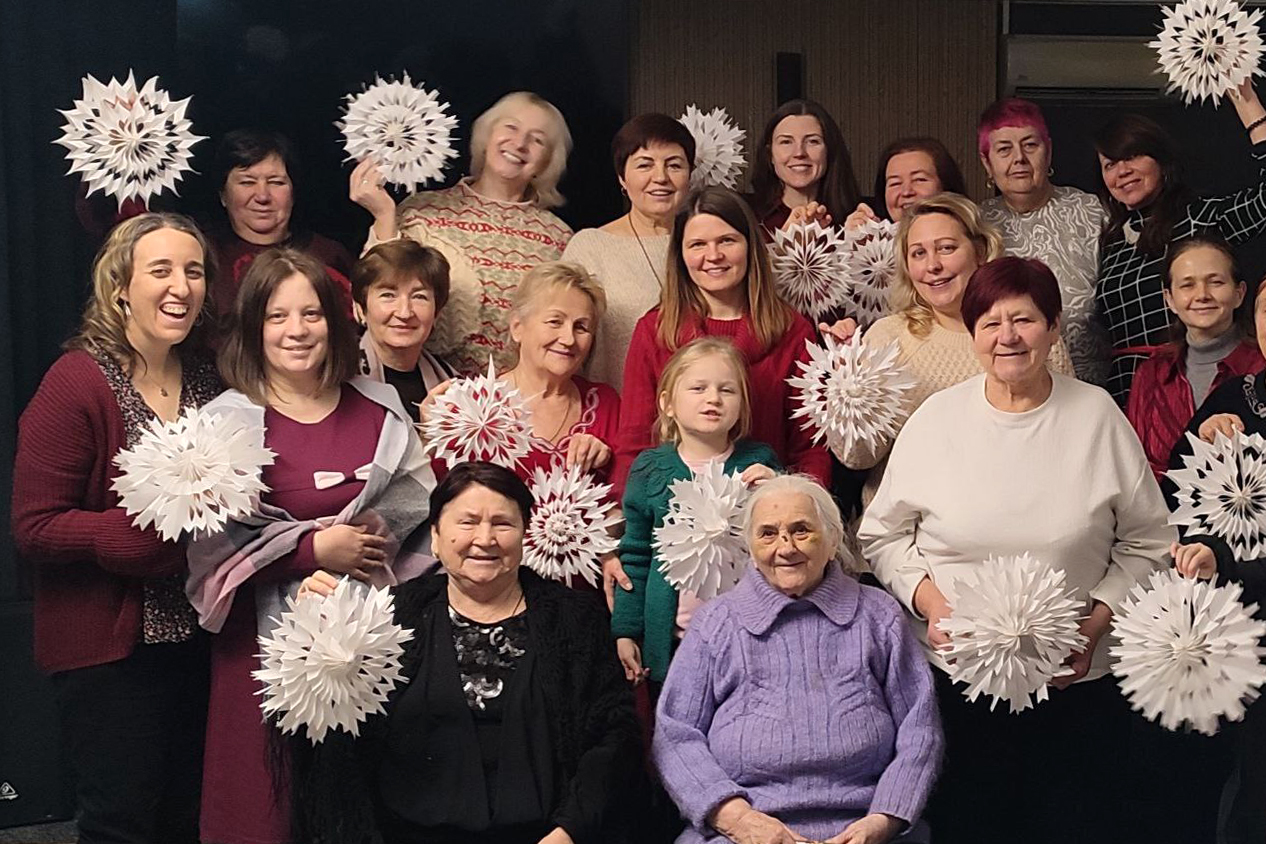
I have been serving in a church plant in Odesa that was started after the full-scale invasion in 2022 as an outreach of the church I had been attending. I help with women’s ministries, discipleship, and music ministry.
In June, I married a Ukrainian man who has been serving as a missionary in a town located closer to the front lines. This town was occupied by the Russians for nine months during the first year of the war. The church was already struggling, and during the occupation many people left. After the town was freed, believers were able to bring in aid, and much of it was handed out through the church. My husband agreed to move there in the beginning of 2023 to help coordinate that distribution of aid, open a non-profit bakery to supply bread to the town, and to care for the church. The church has grown since then, and he was recently ordained as the pastor of the church. He currently has a secular job that gives him military exemption, but he is working towards getting another exemption that would allow us to serve the church full time.
2. How would you describe the general spiritual need of the Ukrainian population?
The war has impacted everyone in some way. Some people have lost everything and had to flee their homes. Some people continue to live in front-line areas where there is a constant military presence and frequent attacks on their towns. Most people have family members serving in the military, and many have family members who have been killed or are missing in action. Even those further from the front lines live with the constant threat of attacks on their cities. If children are able to go to school instead of studying online, they still spend time in bomb shelters due to frequent air raids. Recently, Russia has been attacking building supply stores, grocery store warehouses, postal service sorting centers, gas stations, and passenger trains, as well as the energy infrastructure. All these things impact the daily lives of Ukrainians and cause a great deal of stress, grief, and uncertainty.
The war has caused many people to think more seriously about spiritual things and to become more open to the gospel. In the first years of the full-scale invasion, most churches grew very rapidly, and there were large numbers of new converts. As time has gone on and people have become accustomed to the situation, that response has slowed. Some people have become more hardened and less open to the gospel. Churches continue to grow, but at a slower pace. Now, churches are placing more emphasis on discipleship and caring for the new believers who have joined during the last few years.
In terms of the military, we often hear it said that there are no atheists on the front lines. Most of the soldiers are religious in some way and will often pray for help in critical situations. However, some also use alcohol and narcotics to help them cope. The trauma of separation and the way that active combat changes men are already having devastating impact on families.
3. What is the state of the local church where you serve?
The church plant in Odesa is made up mostly of new believers who were saved during the last five years. There are some who struggle, but there is a good core who have been steadily growing and are beginning to serve more actively in the church. Many of the mature believers who served in leadership left in the early months of the war, so the last years have been a time of focused discipleship and investing in new believers. The situation has forced us to move them into positions of leadership quicker than we might have in the past, but we have seen God’s blessing even in this.
The church my husband pastors is in a small town, and people have been slower to respond to the gospel there. There have been several baptisms, but there are other new believers who faithfully attend church but have been slow to take the public step of baptism. In small towns like this where everyone knows everyone, the response to the gospel has been slower, but offering humanitarian aid through the church has helped to develop openness.
4. How have you recently seen God at work through your ministry?
There are two ladies in our church who were saved and baptized in 2022. One was an alcoholic before salvation, and the other is married to a man who also struggled with drugs and alcohol before he too was saved and baptized in 2022. These ladies have had their ups and downs over the last four years, but overall have been steadily growing in their walk with the Lord and faithfully attending services and Bible studies. They first began helping with our church praise team and then decided that they wanted to learn more and enrolled in courses at the local seminary.
In 2023, I led our pastors’ and deacons’ wives through a course on discipleship, and in 2024, they each began discipling small groups of ladies in our church—including these two ladies. As they both grew in the faith, they started helping with ministry to the children and teens. Recently our deacon’s wife taught them to prepare for and lead our ladies’ Bible study. It has been incredible to watch God work in the hearts of these two ladies, bringing them from being brand-new believers with very little Bible knowledge to now being able to teach and invest in others.
5. Can you share about any specific people whose lives have been impacted through the ministry?
One of the clients who I have been working with personally in our pro-life ministry is now studying the Bible with me. We are going through the Story of Hope together, and we recently studied John 3, when Nicodemus came to Jesus by night. She seems to understand why Jesus came to this earth and was asking good questions about what it means to be born again. She has not yet made a profession of faith in Christ, but I believe she is very close. A different client was recently saved and baptized, and another has also made a profession of faith and is preparing for baptism.
6. How can believers in the US pray for you, your team, and the people you serve?
- Pray for the salvation of the young moms we are working with at the Choose Life Women’s Center.
- Pray for protection from physical and spiritual attacks and for perseverance and joy in ministry during a time when life in Ukraine just keeps getting harder.
- Pray for the salvation of those who regularly attend our churches and who seem to understand the gospel but have not yet decided to commit themselves to Christ.
- Pray for God to bring an end to this war.